
The Saguaro’s Secret Ally
How an Unsung Desert Hero Nurtures Giants
Writer Joseph J. Airdo // Photography by Jim Morefield
In the wake of recent saguaro losses across Arizona, a question echoes through our communities: Will new giants rise to take their place? The answer lies in an intricate dance of survival, where an unassuming shrub plays a starring role in the life cycle of the Sonoran Desert’s iconic sentinel.
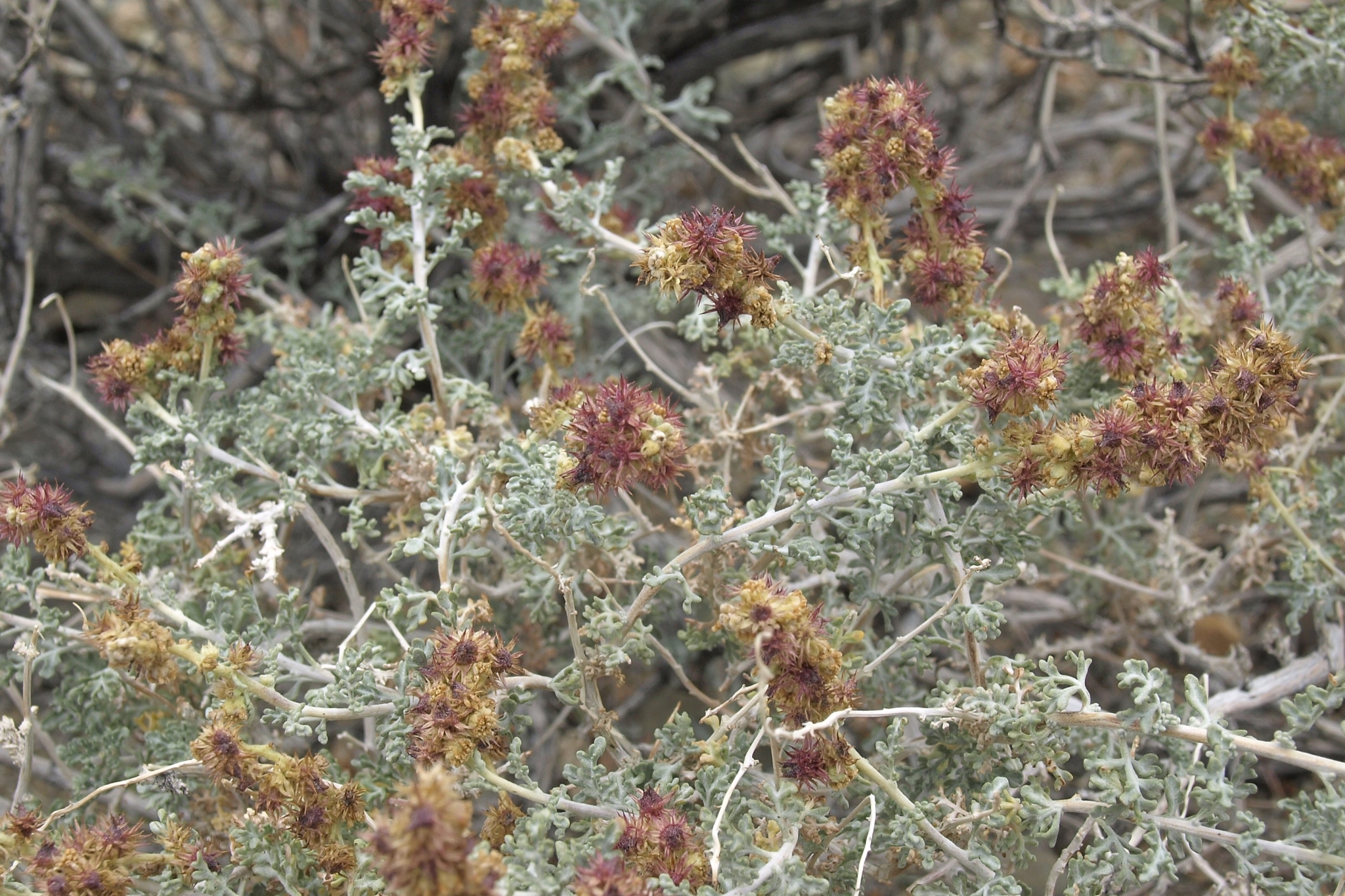
The humble bursage bush, often dismissed as a nuisance by homeowners and landscapers alike, holds the key to the saguaro’s future. This vital “nurse plant” stands as nature’s silent guardian, orchestrating a remarkable partnership that has shaped our desert landscape for millennia. In the harsh Sonoran environment, where temperatures soar and water is scarce, this unassuming shrub creates microhabitats essential for the survival of countless desert species, most notably our beloved saguaros.
“Of the 40 million seeds produced by a saguaro in its lifetime of nearly 200 years, only one or two may grow to maturity,” explains Brenda Olive, Desert Awareness Committee’s volunteer coordinator. “If the seed is lucky enough to be eaten by a bird that defecates a scarified seed that lands in a bush, it has a chance. The most likely bush to take care of the seedling is the bursage bush.”
This extraordinary botanical partnership unfolds over decades, beginning in the deepest shade of the bursage’s protective embrace. Like a devoted parent, the bush shields its adopted saguaro child from the desert’s harshest elements, providing the perfect conditions for the cactus’ precarious early years.
“It provides shade and hides the young cactus among its woody interior for the first 10 years,” Olive says. “During the first five years, the saguaro focuses on establishing its root system, which spreads in all directions just below the surface. By the end of 10 years, it appears just above the bursage bush.”
The bursage bush’s nurturing influence extends far beyond its role as saguaro guardian. Throughout the Sonoran Desert, these modest shrubs create vital nurseries for an impressive array of desert flora, fostering biodiversity in what might otherwise be barren expanses.
“Many other plants get their start underneath the protection of these bushes as well,” Olive notes. “I’ve had an ocotillo get its start that way as well as tree seedlings, cholla and the pincushion cactus, also known as the smallest cactus in the Sonoran Desert.”
In addition to its role as nature’s nursery, the bursage bush serves as a critical component in the desert’s complex ecological web, providing both environmental stability and sustenance for wildlife.
“The bursage bush also exists for erosion control to keep the desert floor intact when the monsoons appear,” Olive explains. “During the summer months, I have witnessed the quail and cactus wren feeding on the seeds within the burs of the bursage bush when there was nothing else to eat. Those seeds are very nutritious.”
Yet despite its profound ecological importance, the bursage bush faces an uncertain future. Modern development practices and aesthetic preferences often lead to the wholesale removal of these essential plants, creating gaps in the desert’s natural succession that may take generations to repair.
“As I drive through our area, I see very few yards with bursage bushes. It appears to be the first plant bladed away when construction begins,” Olive laments. “When they begin to grow back, they are treated like an unwanted weed. They are trimmed into balls regularly, so no burrs develop. They even cut them down to their base for some odd reason.”
The consequences of losing these essential plants could be devastating for future generations of saguaros, which already face significant survival challenges. A stark reminder of their fragility comes from history:
“When the Southern Pacific Railroad from Texas to California was being constructed, workers tried to transplant hundreds of saguaros of all different sizes, and all of the saguaros died,” Olive shares. “This was the first time a plant was protected by the U.S. government and turned into a national monument called the Saguaro National Monument, today a national park.”
As stewards of the Sonoran Desert’s legacy, residents and developers alike bear the responsibility of preserving these vital nurse plants. Each bursage bush protected today represents countless future possibilities — from towering saguaros to thriving wildlife populations. Understanding and appreciating these humble heroes of the desert landscape is the first step toward ensuring their survival.
“Now that you have read what it takes for a saguaro to get a start in life, you know it is a process that depends on one other important plant,” Olive concludes. “The bursage bush is critical for the growth of our mighty saguaros. Therefore, please leave it on your property and thank it for being there!”
The Saguaro Story
For five decades, the Desert Awareness Committee has educated residents about our unique desert ecosystem. Its first book, “The Fragile Desert,” remains a cornerstone resource for understanding the Sonoran Desert’s complex web of life. This excerpt from the book’s signature chapter reveals the remarkable journey of our iconic saguaro:
“Saguaros grow slowly. A 10-year-old plant may be only inches high. The first decade of life is the most risky. Around 50 years of age, the saguaro produces flowers. The first flowers appear in early May; they open at night and close in the heat of the day, never to open again.
“The first arm appears at approximately 60 years of age. Maturity is reached around 150 years of age. Fertilization occurs as birds, bees, moths and bats feed on the pollen and nectar. In June, the fruit turns red and ripens. It falls to the ground where coyotes, squirrels, insects, javelina and rabbits feed on the fruit and seeds.
“Saguaros grow in the Sonoran Desert and nowhere else in the world. A saguaro 50 feet tall may weigh 10,000 to 12,000 pounds.”
For copies of “The Fragile Desert” or information about desert education programs, contact the Desert Awareness Committee through the Holland Center at 480-488-1090.