

Spring Loaded
Season’s Festivals in Full Bloom
Writer Joseph J. Airdo
While Phoenix residents brace for triple-digit heat after a record-breaking warm winter, the state’s higher elevations and southern enclaves are experiencing peak season — that narrow window when the desert blooms, the pines are fragrant and every weekend offers a reason to fill the tank and point the car toward cooler air.
This spring, Arizona’s cultural calendar rivals its natural beauty, with festivals spanning literary giants and yoga masters, mountain bikers and master winemakers, birders and bronze sculptors. From the northern pines to the high-desert wine country, March and April deliver a concentrated season of discovery worth the drive.
Pine Belt Pilgrimage

Head to the pines at 7,000 feet, where the Flagstaff Mountain Film Festival brings a touch of Sundance to the historic Orpheum Theater from April 9–12. The festival showcases documentary films focused on outdoor adventure, environmental stewardship and mountain culture.
Screenings provoke thought and inspire action, often followed by Q&A sessions with visiting filmmakers, athletes and activists. It’s perfect for the outdoor sophisticate — an ideal evening activity after hiking the San Francisco Peaks. The communal atmosphere draws an audience that values environmental ethics and storytelling.

Two weeks later, the energy shifts south to Prescott, where Whiskey Off-Road transforms downtown into the Kentucky Derby of mountain biking. Running April 24–26, this is one of the most revered mountain bike events in North America, taking over the historic corridor for three days of culture, music and endurance. While 15-, 30- and 50-mile races draw top-tier professionals and amateurs through ponderosa forests, the Off-Road festival on Whiskey Row is the draw for non-racers.
The event closes the downtown corridor for a massive expo, free live music concerts and a beer garden, all set against Prescott’s pine forests and Victorian architecture. The VIP experience means booking a room at the Hotel St. Michael or the Hassayampa Inn months in advance, watching the professional criterium races from a balcony on Whiskey Row, and enjoying the seamless blend of rugged outdoor culture with polished downtown festival atmosphere. The energy is palpable, the spectacle bucket list-worthy.
Red Rock Renaissance
Sedona’s spring calendar unfolds across two weekends in April, each offering a different lens on the region’s creative and spiritual identity.

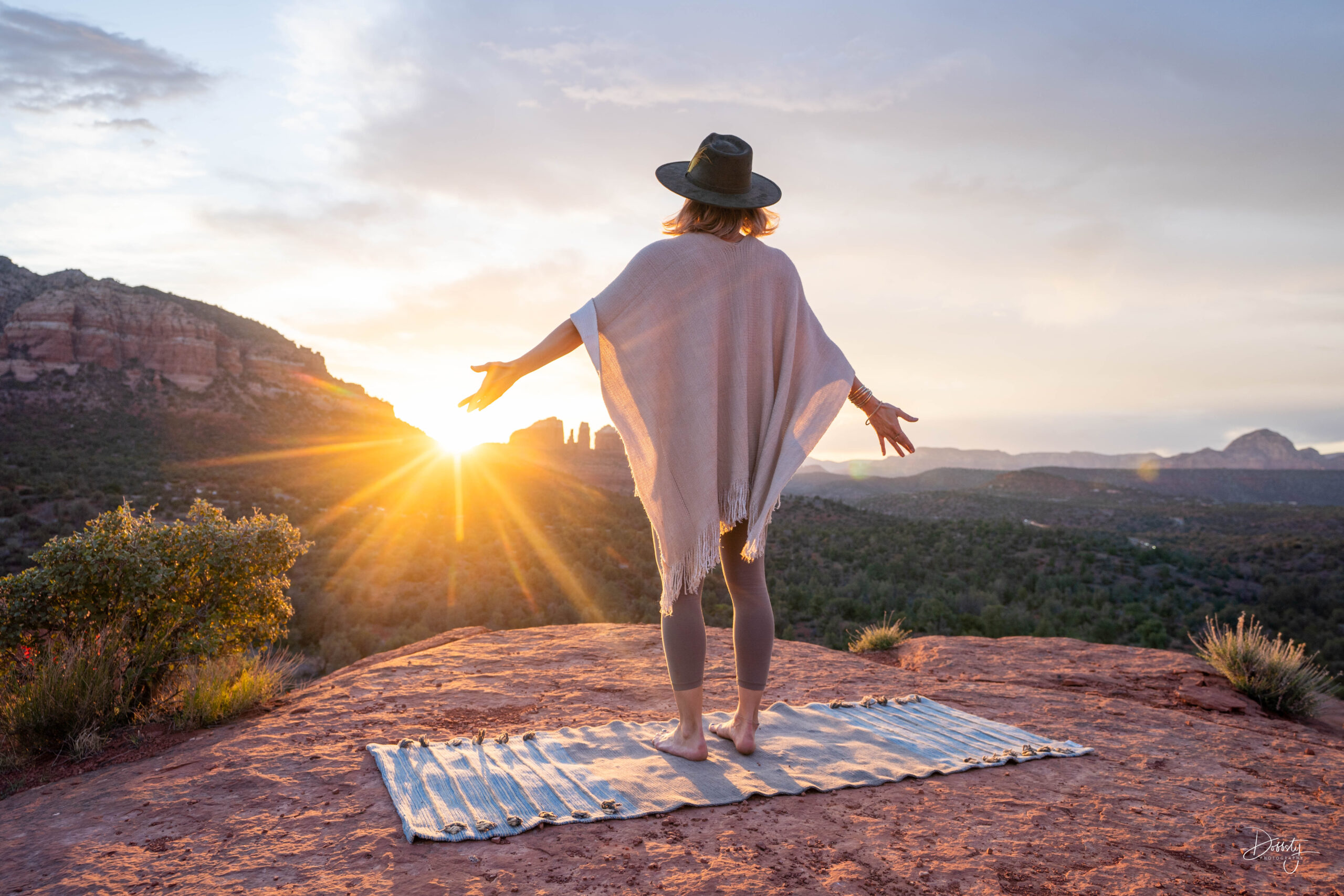
The Sedona Yoga Festival brings the most comprehensive yoga education conference in North America to the red rocks. From April 23–26, the Hilton Sedona Resort at Bell Rock hosts over 150 sessions drawing internationally recognized yoga teachers, Ayurveda practitioners, meditation guides and spiritual teachers alongside live music, kirtan performances and specialized immersion courses. Programming spans yoga styles, philosophy, trauma-conscious practice, sound healing and kids’ yoga.
This is a high-touch wellness experience designed for the deep seeker and the curious alike, attracting practitioners and teachers from across North America and internationally. The backdrop of Sedona’s natural landscape, combined with the elevated offerings at the Hilton resort, appeals to affluent wellness enthusiasts who value transformational learning and community.
For those who prefer paint to pranayama, the Sedona Spring Open Studios Tour runs concurrently from April 24–26, inviting visitors directly into the working studios of over 50 professional artists across the Verde Valley region — Sedona, Village of Oak Creek, Cornville, Cottonwood, Camp Verde and Clarkdale.
Unlike gallery shows, this free, self-guided tour emphasizes direct artist engagement. Visitors view work in creation, speak with painters, sculptors and ceramicists about process, and purchase original pieces directly from creators. It’s an intimate alternative to crowded art fairs, offering authentic access to professional creative practice set against Sedona’s unparalleled red rock backdrop.
Wine Country Wanderings
Thirty minutes down the canyon from Sedona, the Verde Valley unfolds as Arizona’s emerging wine country — and spring is when it shows off. The season opens early with the Arizona Wine Country Artists Village Spring Festival, running March 6–8 in Old Town Cottonwood. Approximately 50 professional artists set up on a level, grassy field at Old Town Activity Park adjacent to Main Street.
Old Town Cottonwood has quietly transformed itself into the heart of Arizona wine country, anchored by Maynard Keenan’s multimillion-dollar winery and a constellation of tasting rooms within walking distance. Free admission allows collectors to browse paintings, sculpture, fine jewelry, photography and mixed media, then drift into one of 10 nearby wine tasting rooms or settle into an award-winning restaurant. The festival capitalizes on Cottonwood’s position as a 30-minute hub between Sedona, Jerome and the Verde Valley — a spring weekend itinerary that writes itself.
Two weeks later, the Camp Verde Pecan & Wine Festival honors the valley’s two primary agricultural exports under the canopy of heritage pecan trees. Running March 21–22 at the Community Center Field, the event retains small-town charm while the wine tasting tent hosted by the Verde Valley Wine Consortium delivers serious pours from over a dozen local estate wineries, many award-winners on the national circuit, paired with pecan-inspired culinary creations and live music.
The atmosphere is unpretentious yet high quality, perfect for an afternoon of engaging with the actual winemakers and growers who shape the region’s agricultural identity. It’s farm-to-table authenticity in its most appealing form.
As April closes, the Verde Valley Birding and Nature Festival transforms Dead Horse Ranch State Park into a naturalist’s paradise from April 23–27, coinciding with peak spring migration. Professionally guided field trips, workshops and birding excursions traverse the Verde Watershed — one of Arizona’s richest avian habitats — with expert field guides offering extensive knowledge of Sonoran Desert ecology and migration patterns. Participants gain access to premier birding locations including the perennial waters of the Verde River and Oak Creek.
This festival speaks directly to the sophisticated nature traveler — the birdwatcher, ecologist or nature photographer who views spring migration as a pilgrimage. The proximity to Cottonwood’s wine country and Jerome’s artsy character creates a multiday itinerary opportunity that pairs conservation with culture.
Old Pueblo Prestige
The Old Pueblo anchors the spring season with two festivals that showcase its dual UNESCO designations as both a City of Literature and a City of Gastronomy.

The Tucson Festival of Books stands as the third-largest book festival in the United States, transforming the University of Arizona campus into an open-air literary marketplace March 14–15 that draws over 350 authors and thousands of readers. Acclaimed novelists, emerging voices, poets and specialists lead curated panel discussions spanning every genre imaginable, with free admission and unprecedented author access. It remains the gold standard of American literary gatherings, offering intellectual discourse in an academic setting that elevates it beyond typical festival commerce.
A month later, the Agave Heritage Festival represents Tucson’s gastronomic identity at its most refined. Running April 9–12 across various Tucson locations, this four-day exploration of the agave plant’s cultural, culinary and environmental significance in the borderlands features masterclass mezcal tastings, roasting demonstrations, sustainability symposiums and multicourse garden dinners prepared by James Beard Award-winning chefs.
The programming creates a bridge between ancient Sonoran Desert traditions and modern culinary trends, attracting a younger, affluent, culturally conscious demographic seeking immersive, sensory education that moves far beyond simple tequila tasting into deep dives on heritage and botany.
The Terroir Trail
The state’s southern corridor offers a trio of experiences that celebrate Arizona’s most established wine regions and artistic communities.
The season begins with the Tubac Center of the Arts Open Studio Tour, running March 13–15 across various locations in one of Arizona’s oldest European settlements where art and Old Arizona elegance converge. This juried tour invites collectors inside the private workspaces of the Santa Cruz Valley’s most accomplished artists. Unlike standard art walks, participation requires demonstrated professional merit.
Visitors navigate Tubac’s charming streets and surrounding foothills to witness the creative process firsthand — large-scale bronze casting, oil painting, avant garde mixed media — while enjoying the culinary and historical character of a high-desert enclave that has quietly cultivated a reputation for sophisticated creativity.
One month later, the wine trail begins with the Blessing of the Vines Festival, now in its 48th year. Held April 11 at Sonoita Vineyards in Elgin, Arizona’s signature spring wine festival occupies a designated American Viticultural Area in the high-elevation foothills 45 minutes south of Tucson. Nine regional wineries pour alongside food vendors and live music, but the ceremonial blessing of the vines at noon distinguishes this event — a tradition honoring terroir and seasonal renewal that adds cultural and spiritual meaning beyond typical tasting.
The Sonoita region produces premium wines in distinctive high-desert conditions, making this a genuine pilgrimage for wine-educated travelers seeking authentic regional wine culture.
The trail continues east to Willcox, where the Wine Country Spring Festival offers the most direct access to the source. Running April 18–19 at Railroad Avenue Park, this event gathers the region’s top producers in the historic railroad park. Willcox produces the vast majority of Arizona’s wine grapes, and this festival — ranked by Fodor’s Travel as a top wine festival in North America — focuses strictly on the product: limited production vintages and direct access to winemakers often pouring their own wine.
The vibe is rustic-chic and educational, stripping away pretension. For oenophiles who maintain wine cellars and seek the next great Arizona vintage before it hits the mainstream, the drive to the high desert is essential.
Spring in Arizona is less about escaping the heat than discovering what cooler elevations have quietly cultivated — festivals that celebrate terroir, creativity and the communities that sustain them. From the intellectual marketplace of Tucson to the spiritual immersion of Sedona, from wine country artistry to mountain culture, the road beyond the Valley delivers authentic experiences worth far more than the gas it takes to get there.