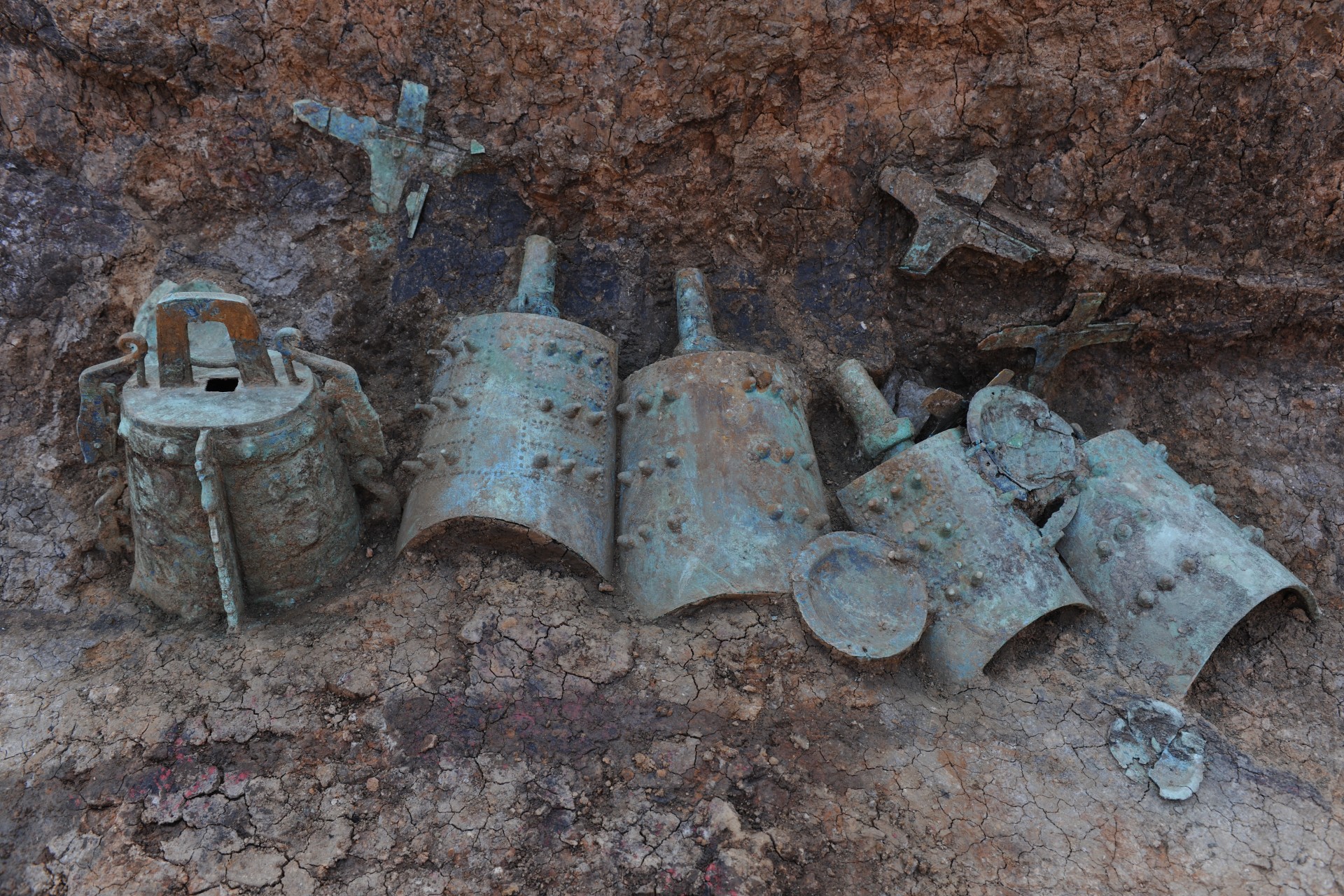
A bronze bell etched with 188 characters has not rung in more than 2,600 years. Buried alongside a Zeng state marquis in what is now central China, it waited through dynasties, long forgotten by history until the slow, patient work of archaeologists could reveal what its surface had to say.
This month, that bell joins more than 70 other objects pulled from the tombs of ancient Chinese nobility for “Unearthed Musical Masterpieces from the Southern Kingdoms of Ancient China,” opening Nov. 6 at the Musical Instrument Museum and remaining on view through Sept. 5, 2027.
Organized by MIM and the Hubei Provincial Museum under the guidance of the National Cultural Heritage Administration of China, the exhibition traces the development of musical culture in ancient China from its Neolithic roots to the height of Zeng and Chu state court life. More than 40 of the objects are appearing in the United States for the first time, and the exhibition features 10 Grade One National Cultural Relics — China’s highest designation for a national treasure.
The inscribed bo bell belonged to Marquis Qiu of Zeng and is the largest bell in the largest known set of bells to survive from the Spring and Autumn period, roughly 650 BCE. Nearby, a yong bell recovered from the tomb of Marquis Yu of Zeng is displayed, its bronze surface worked with coiled serpents and a high relief dragon, its own 169-character inscription tracing the origins of the Zeng state itself.
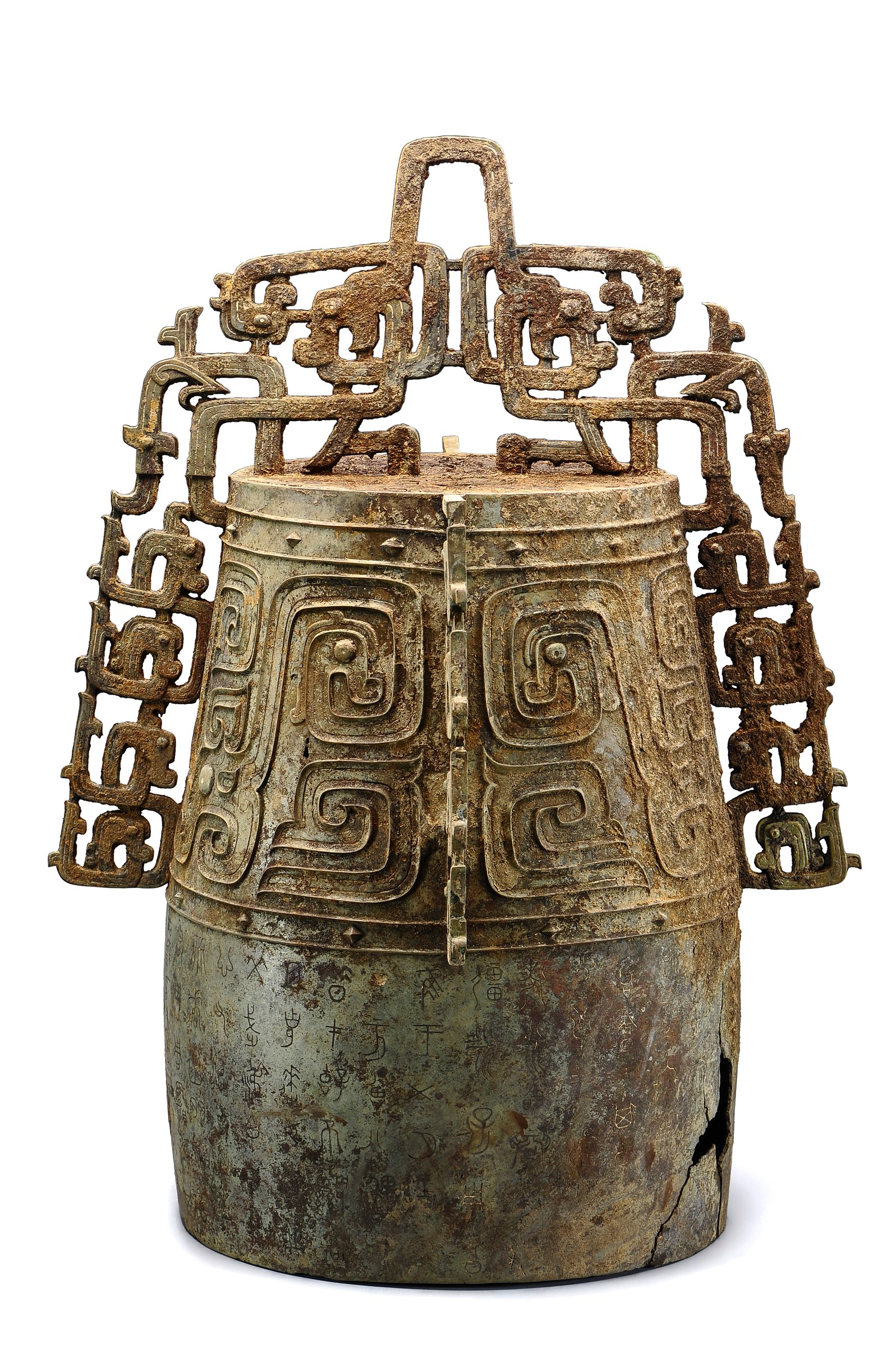
Bears an inscription of 188 legible characters; the largest of the largest known set from the Spring and Autumn period (770–476 BCE)
Loan courtesy of the Suizhou Museum
For the museum’s curator of Asia and Oceania, the exhibition’s value lies less in any single object than in what the collection reveals about the people who made and valued them.
“These objects were among the finest treasures buried with rulers and nobility,” says Eddie Chia-Hao Hsu, MIM’s curator for Asia and Oceania. “They are extraordinary expressions of the technical mastery and artistic imagination of the artisans who created them, reflecting the remarkable musical achievements of the southern kingdoms of ancient China.”
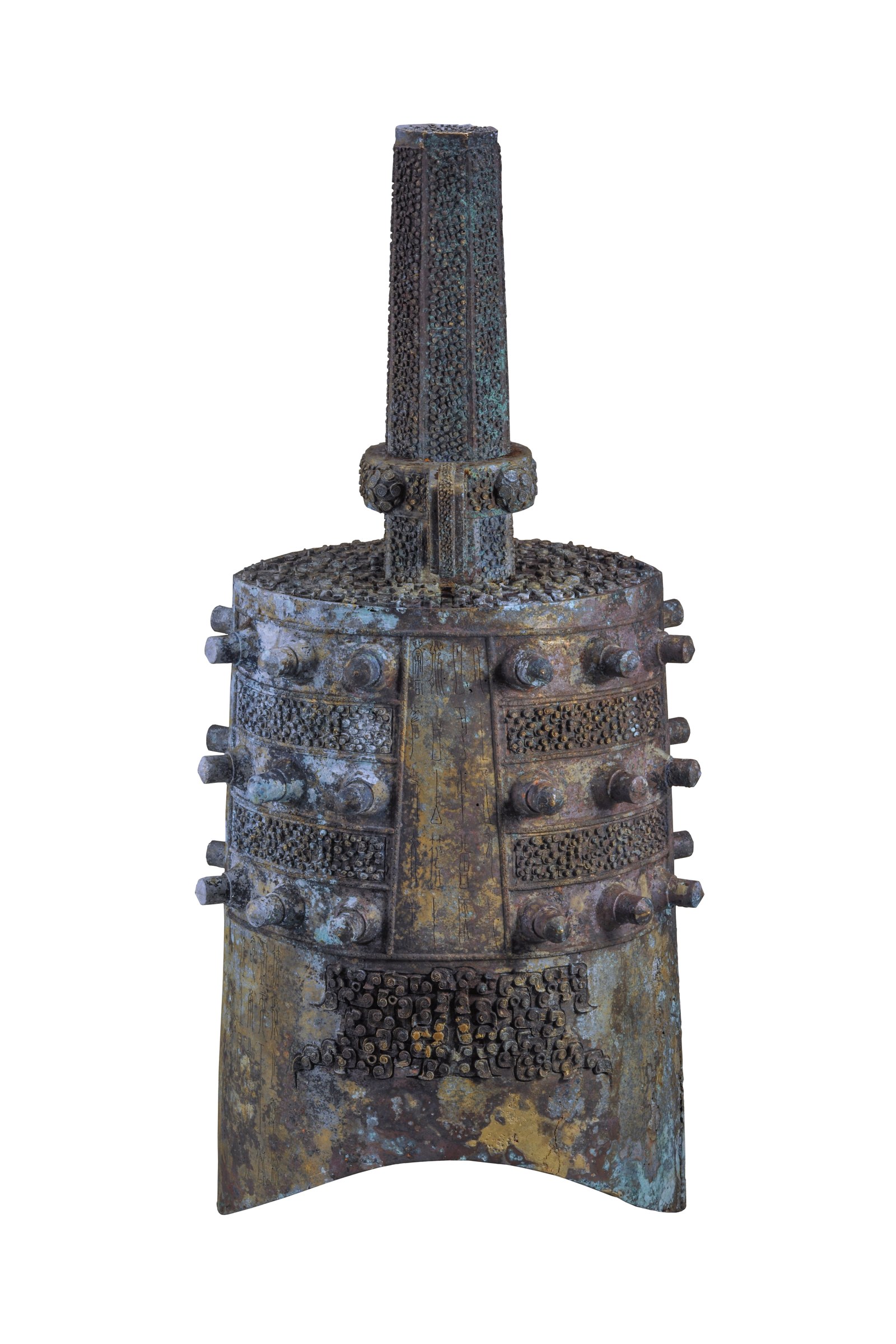
Among the largest examples from the Spring and Autumn period; its 169-character inscription records an extraordinary statement tracing the history of the Zeng state
Loan courtesy of the Suizhou Museum
Elsewhere in the galleries, a painted wooden xuangu drum balances on a pedestal of two phoenixes standing atop two tigers — one of the few surviving examples from the Chu state to retain its original red and black pattern. A bronze chime cast in animal form, dating to the late Shang dynasty around 1300 BCE, is rarer still: Most ancient chimes were carved from stone, and only four bronze examples are known to survive.
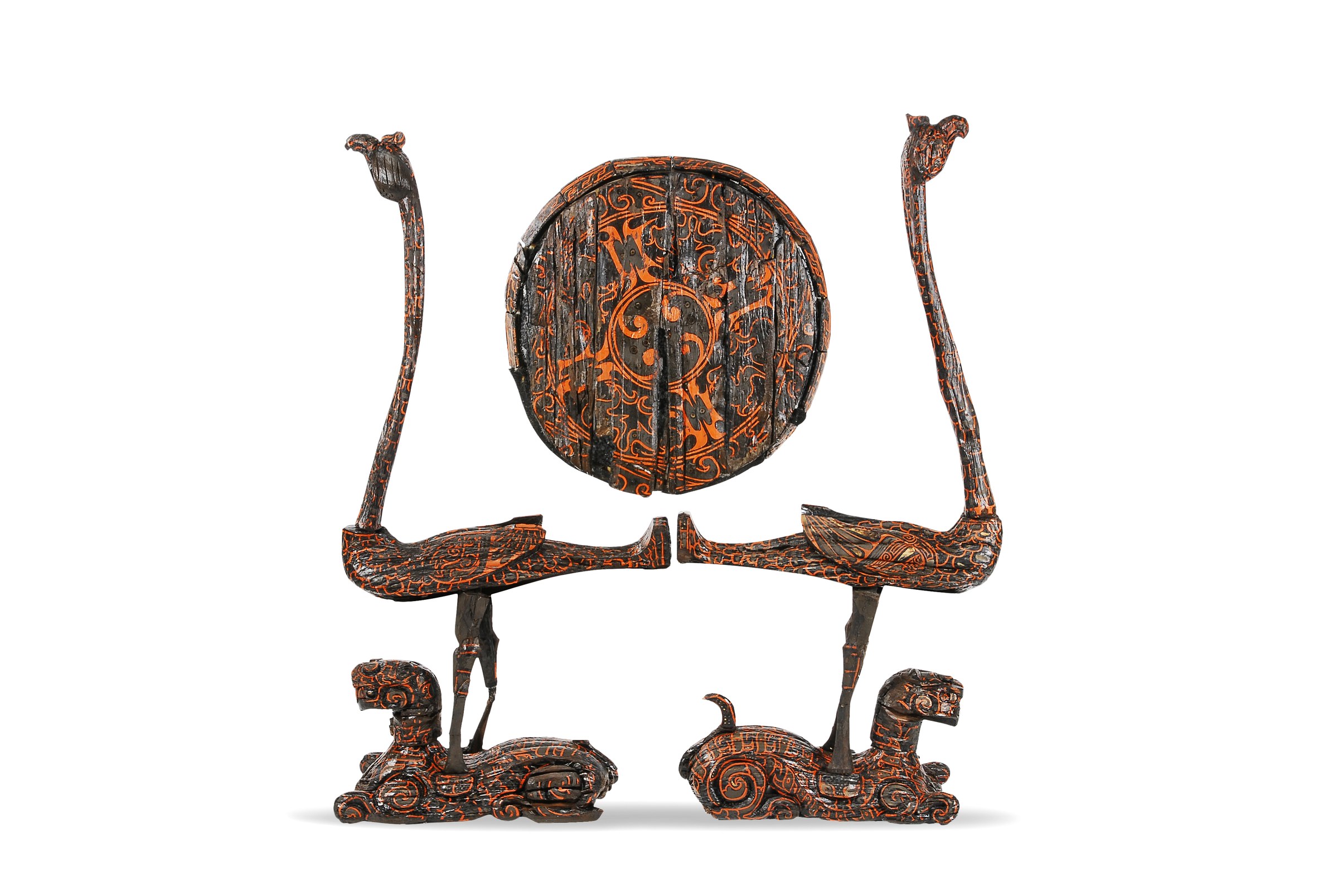
A striking representation of the Chu style
Loan courtesy of the Xiangyang Museum
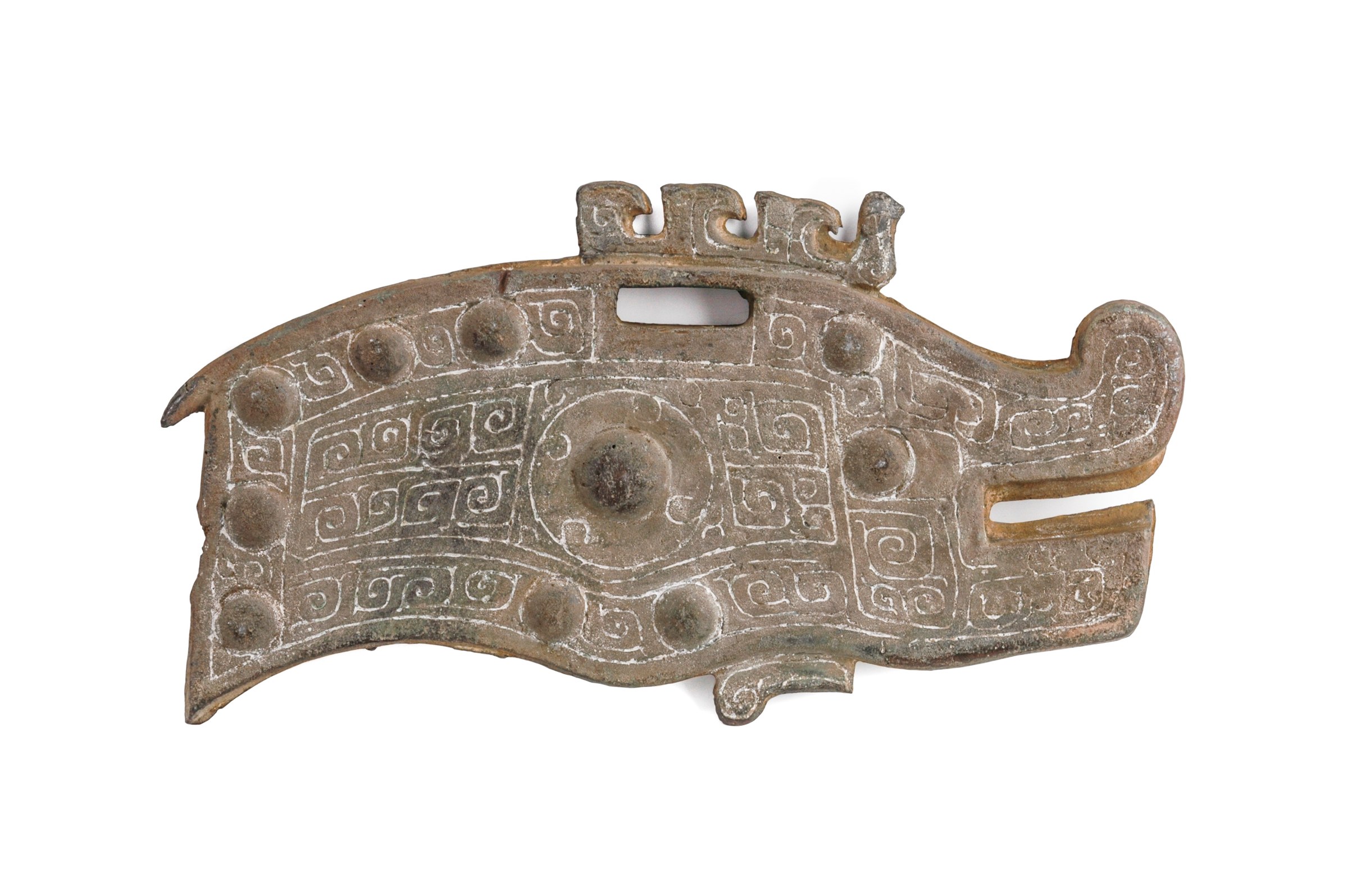
One of four known surviving examples
Loan courtesy of the Changyang Museum
A stone chime from a 25-stone set spanning two and a half octaves carries traces of Chu-style phoenix painting despite over two millennia of fading, among the most elaborately decorated sets of its kind ever recovered.
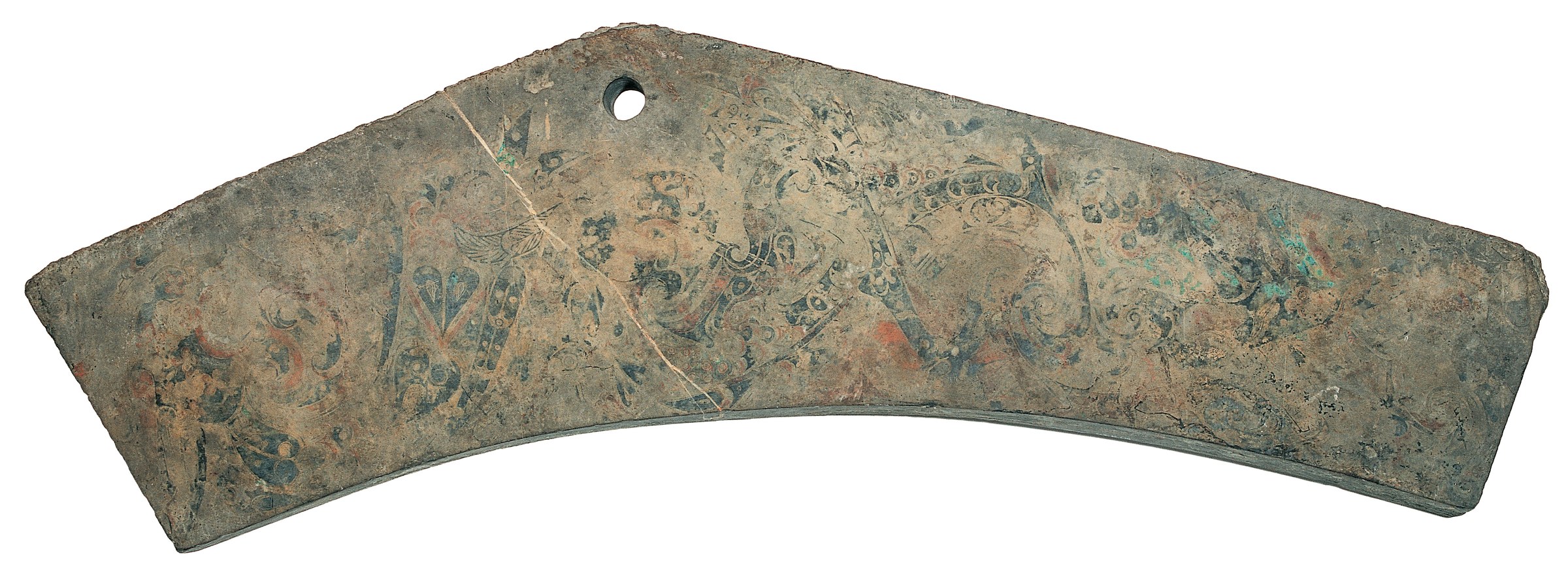
Among the most decorated examples known; from a 25-stone set spanning two and a half octaves
Loan courtesy of the Hubei Provincial Museum
Zeng Pan, director of the exhibition department at the Hubei Provincial Museum, frames the exhibition as a portrait of a civilization and not simply a catalog of instruments.
“As visitors move through the exhibition, they will have the opportunity to view this diverse collection of excavated musical instruments up close, appreciating their rich variety, exquisite craftsmanship, ornate decoration and distinctive forms,” he says. “Through these extraordinary objects, the exhibition offers insight into the distinctive character and enduring spirit of Chinese ritual and musical civilization.”
The Hubei Provincial Museum holds more than 480,000 objects at its home in central China, including 1,096 classified as Grade One National Cultural Relics. The exhibition’s loudest moment arrives first: a three-day Signature Event Nov. 6-8 brings curator talks, instrument demonstrations and live music to MIM’s galleries, with nearly a year still to come before the collection returns home.
“These remarkable objects invite us into one of the world’s most extraordinary ancient musical traditions — not as a distant chapter in history, but as a living story of human creativity and expression,” says Hsu.
Photography Courtesy of the Musical Instrument Museum and Hubei Provincial Museum