The glass glows the color of a sunset caught mid-collapse — too bright to look at head-on, gathered at the end of a steel blowpipe like something with a pulse. A twist. A breath down a five-foot tube. In seconds, a shapeless orange mass takes on ridges, a curling stem, an unmistakable silhouette. It goes into the annealer still close to 1,000 degrees, cooling less than a degree a minute until it reaches room temperature by morning. Hundreds more are coming behind it.
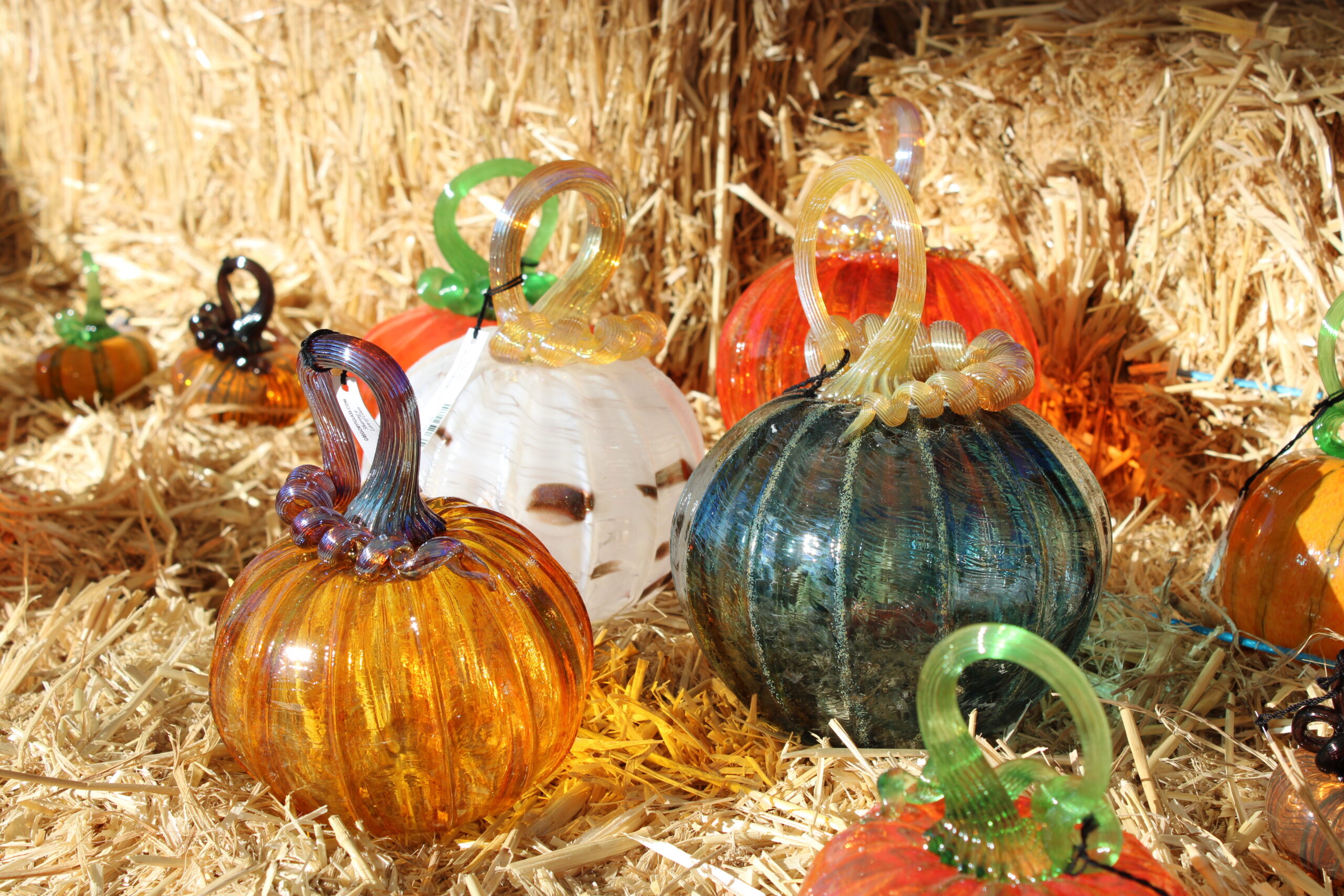
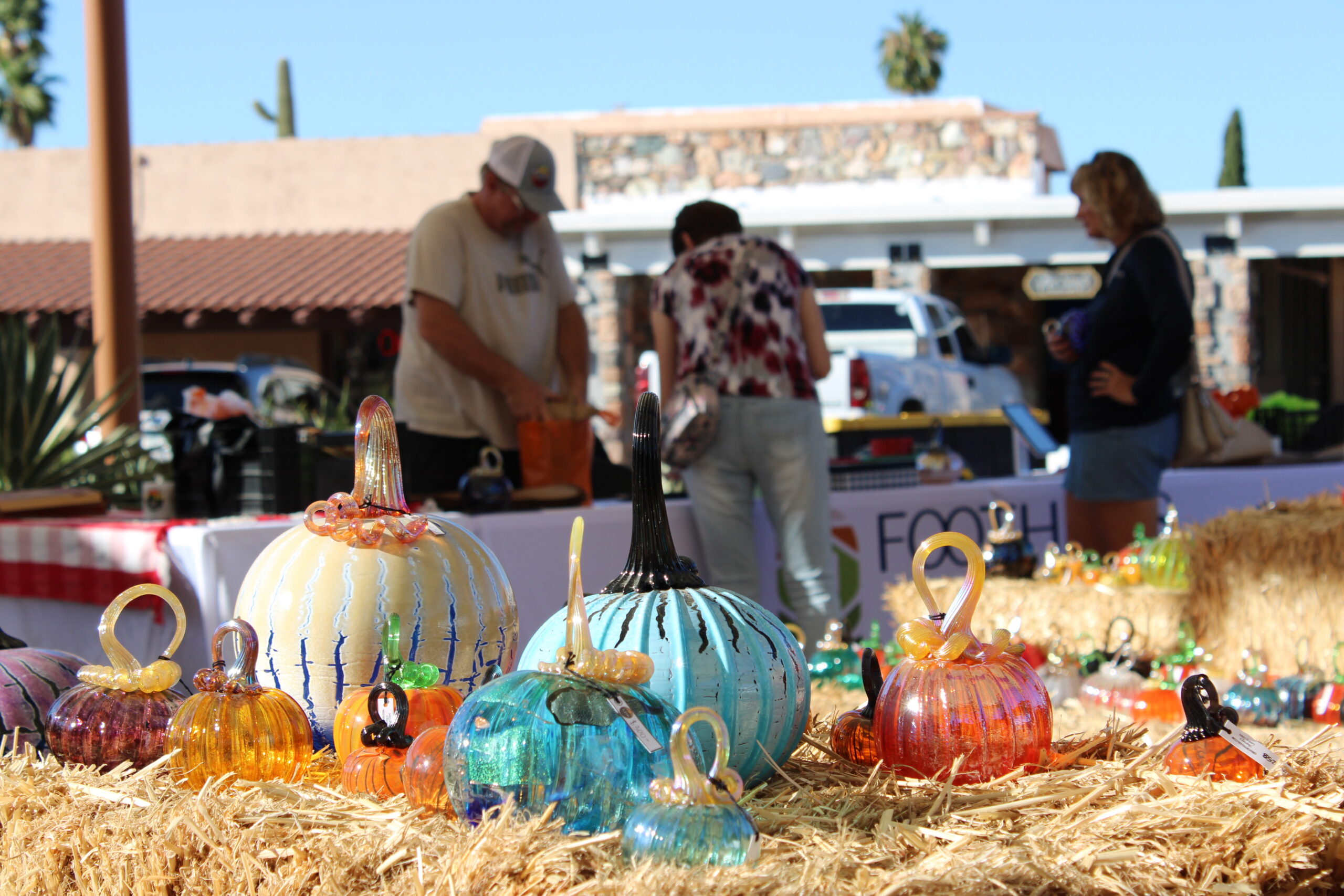
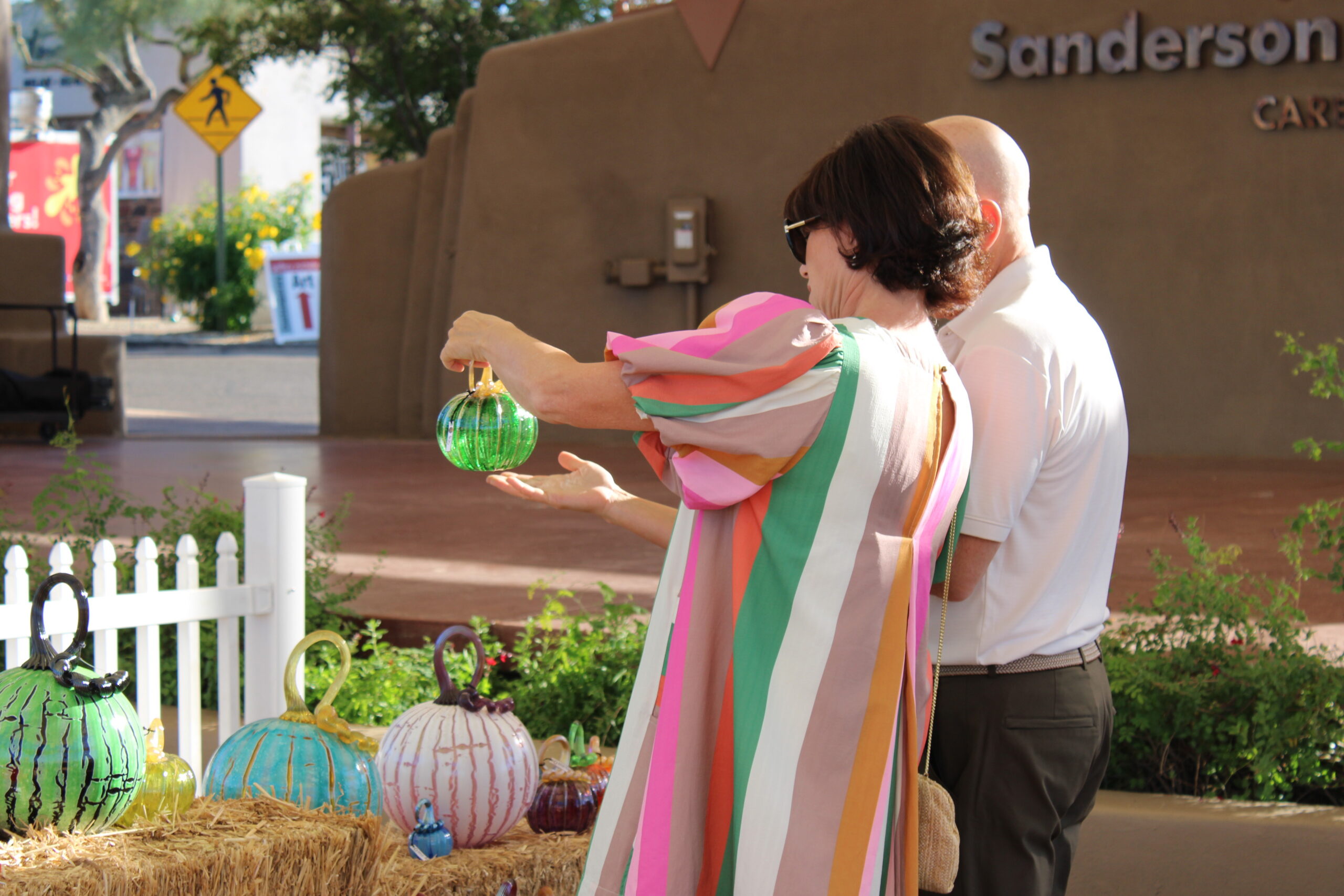
This is autumn for Greg Tomb, owner of Arizona Glassblowing Studio, who spends September and early October building an inventory of hand-blown pumpkins for one of the North Valley’s more colorful fall traditions. The Glass Pumpkin Patch returns to the Sanderson Lincoln Pavilion in the Carefree Desert Gardens from Friday, Oct. 2, through Sunday, Oct. 4, with a portion of every sale benefiting Foothills Food Bank & Resource Center, which now serves more than 850 individuals a week across a 1,500-square-mile stretch of northern Maricopa and southern Yavapai counties from its year-old facility on Carefree Highway.
Tomb’s relationship with glass predates his career by decades. Family road trips during his childhood routinely detoured toward the Corning Museum of Glass in upstate New York, and something about watching liquid become solid — become art — never fully let go of him.
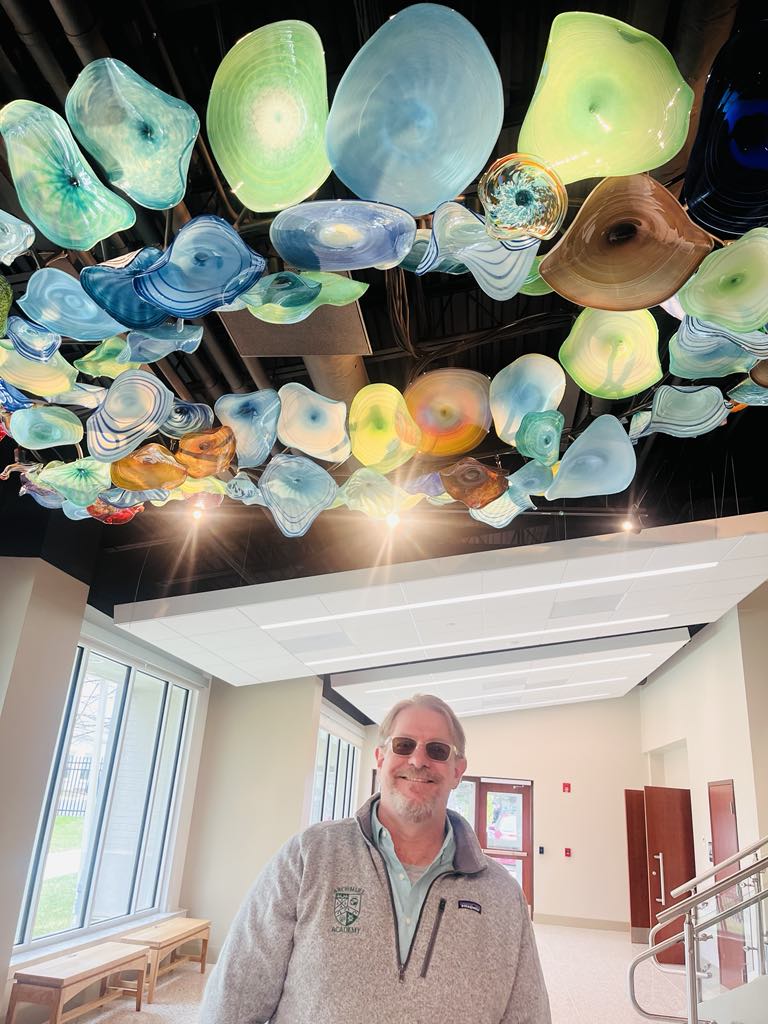
“I was first drawn to glass the moment I saw it at Corning,” he says. “Something was just magical about it, both alive and timeless.”
He studied glassblowing formally as an art student at Hartwick College, then spent a stretch as a production glassblower inside the workshop of Simon Pearce, the Vermont glassmaker whose hand-blown tableware has become a design-world fixture. It was technical training of the most demanding kind — repetition at scale, under time pressure, with a material that punishes hesitation.
By 2014, Tomb was ready to build something of his own. He began entering juried art shows nationally, a decision that led to “best in glass” recognition and residencies that have since included the Nassau County Museum of Art, the Hampton Fine Art Festival, the Stuart Art Festival and the Scottsdale Artfest. Somewhere in that stretch, the pumpkin became his signature form — not his most ambitious work, exactly, but the piece that made the rest of his practice possible.
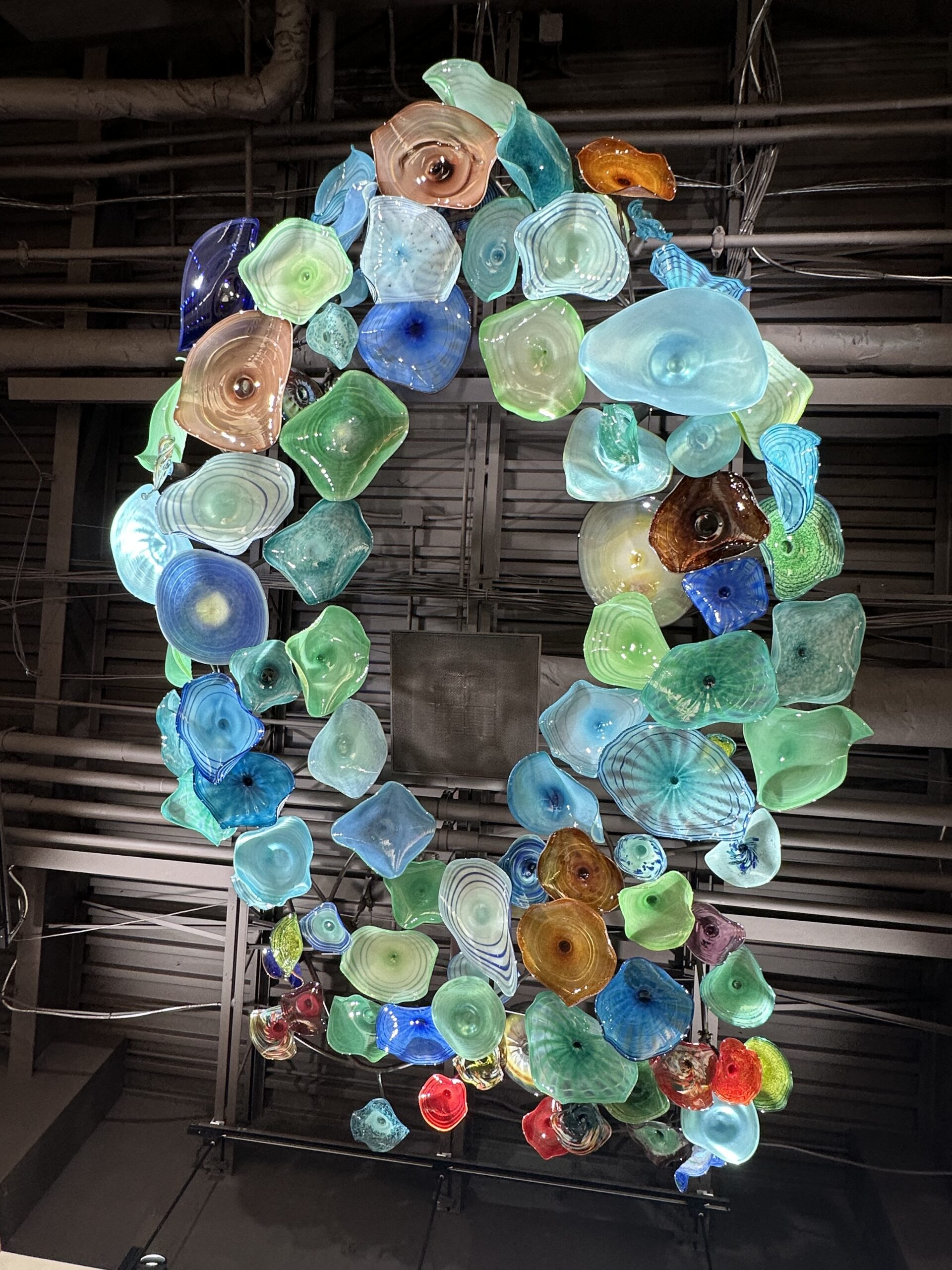
“Pumpkins are a great way to practice colors, and from a production standpoint, they’re just fun to make — I love making them,” he says. “What I really love, though, is large-scale installations. Those commissions don’t come around too often, but I’d love it if they did.”
Every pumpkin starts as a gather of molten glass — pulled from the furnace at roughly 2,100 degrees — then shaped through a mix of heat, breath and gravity while a second piece, the stem, is built separately and fused on with a blowtorch. Because no two gathers behave identically, no two pumpkins come out the same, even when Tomb is trying to repeat a shape.
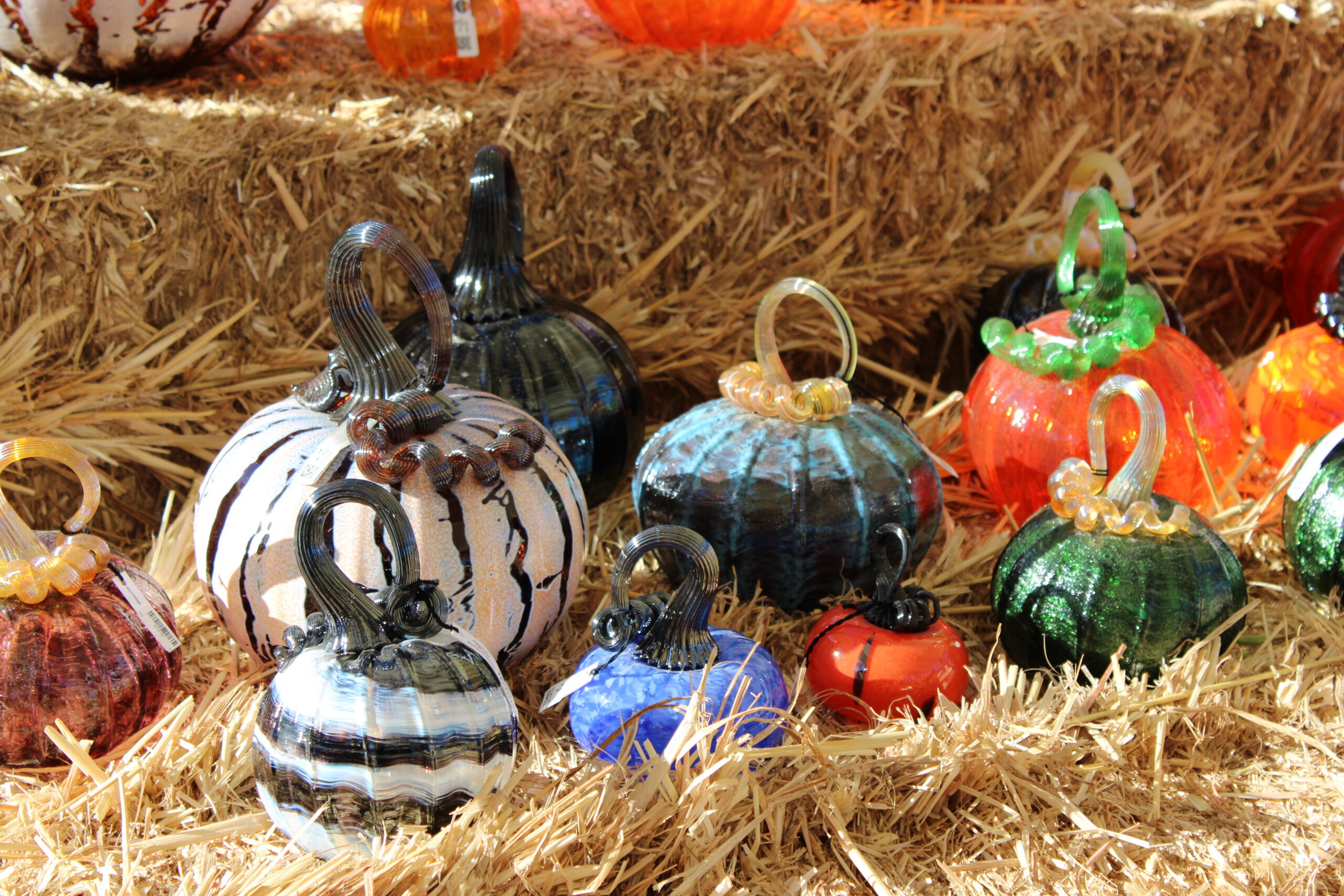
That singularity is part of the appeal for the crowds who show up in Carefree looking for one to take home — priced for a range of budgets, approachable in a way that invites people who might never otherwise walk into a gallery.
These days, Arizona Glassblowing Studio operates less like a fixed workshop than a touring outfit. Most of this year’s pumpkins are being made on the road, out of the mobile studio Tomb hauls across the country each fall, supplemented by studio space borrowed along the way. Summers find him anchored instead at Adirondack Glassblowing Studio in North Creek, New York, before the circuit starts back up each fall. He also teaches along the way, taking on students of every kind — sighted and blind, hearing and deaf, ages 5 to 98.
By the time the doors open in Carefree, the pumpkins Tomb is shaping this week will have gone cold, hardened, and found their way onto hay bales in the desert sun — waiting for someone to pick one out, pay for it, and carry it home. Saturday afternoon, they’ll do it to a soundtrack: musician Ben Bolt takes the Sanderson Lincoln stage from noon to 3 p.m., one more reason to make a day of it in Town Center. What the pumpkins fund, in the end, is a kind of continuity — an artist’s ability to keep making the work that doesn’t have to pay for itself, and a cause that keeps feeding its neighbors long after the last hay bale is hauled away.
Photography Courtesy of the Town of Carefree