On the night of Sept. 24, 1942, the residents of the Tuczyn ghetto set their own homes on fire.
It was not despair — it was a plan. Word had reached the ghetto that Auschwitz, despite German claims, was a death camp and not a work camp, and its leaders had spent days preparing for this moment: torch the buildings, break the fence line under cover of smoke and chaos, run for the forest. Rita Chait Brezka was 6 years old. Her father struck the match in their own house.
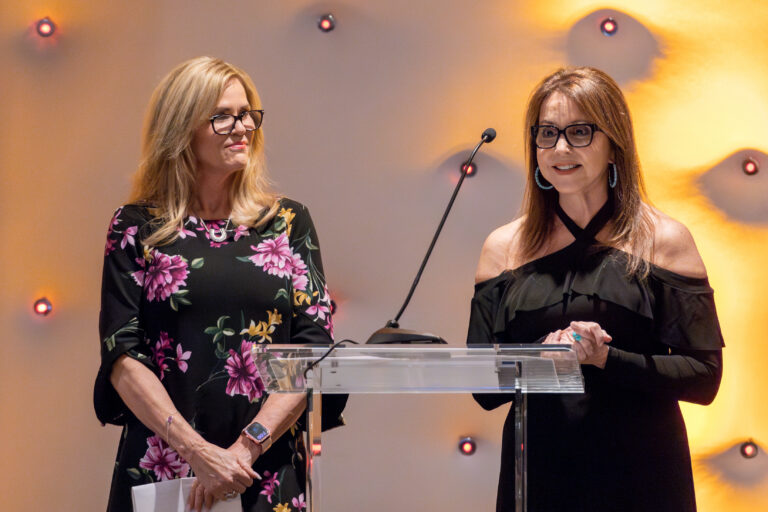
Now 90 and living in Anthem, Brezka will share her account of that night, and of the years that followed it across three continents and seven countries, at a community presentation Oct. 12 at North Valley Regional Library. The presentation is the product of more than a year’s work by three of her friends: Debby Peck, who first proposed documenting Brezka’s story and worked alongside Cornelia Jensen researching and verifying its historical details; Jensen, who built and maintains the accompanying slideshow; and Carolyn Richins, who has coordinated with organizations from the Arizona Jewish Historical Society to the library system to bring the story to a public stage. The three eventually hope to bring the presentation into local schools as well.
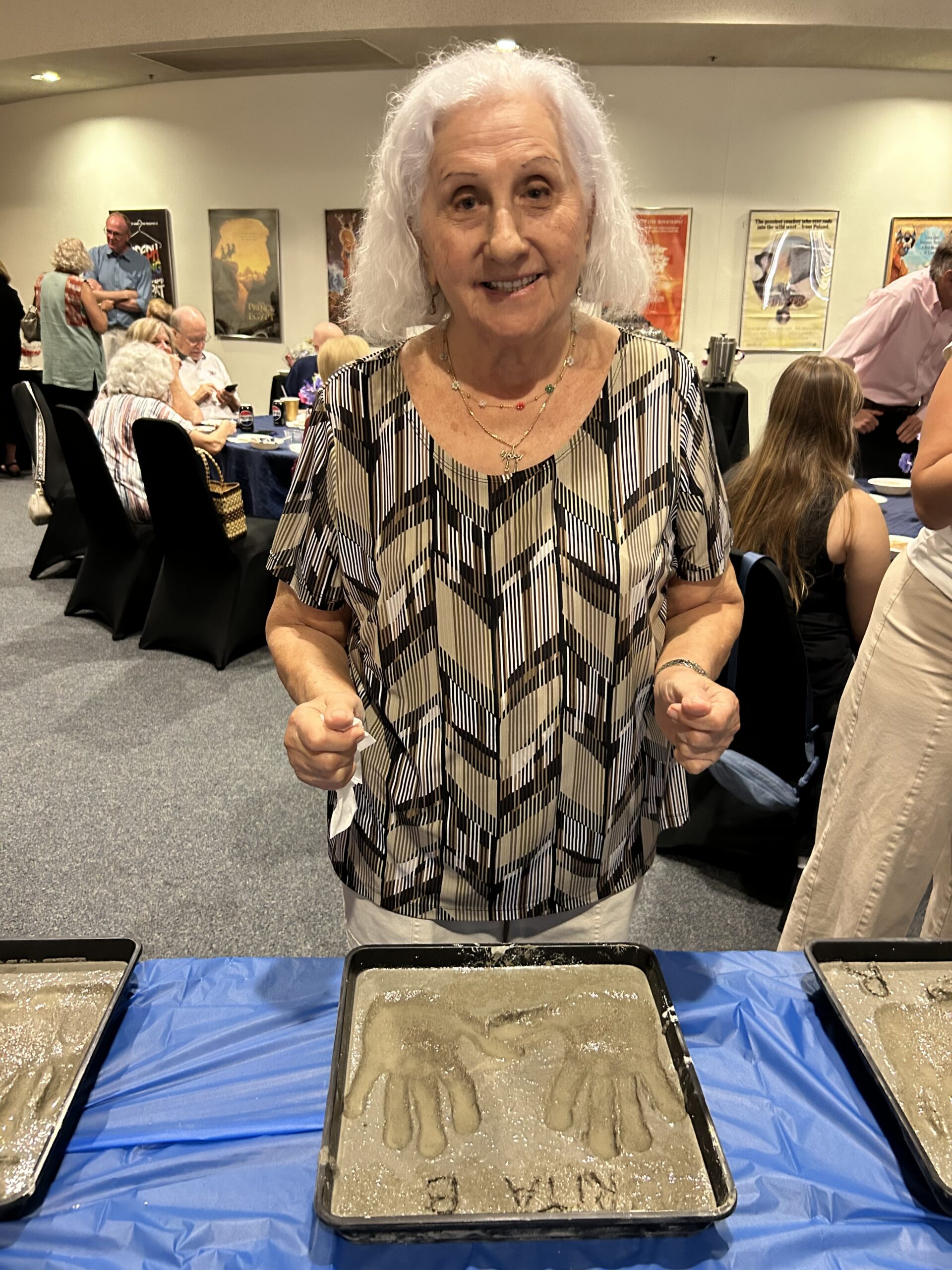
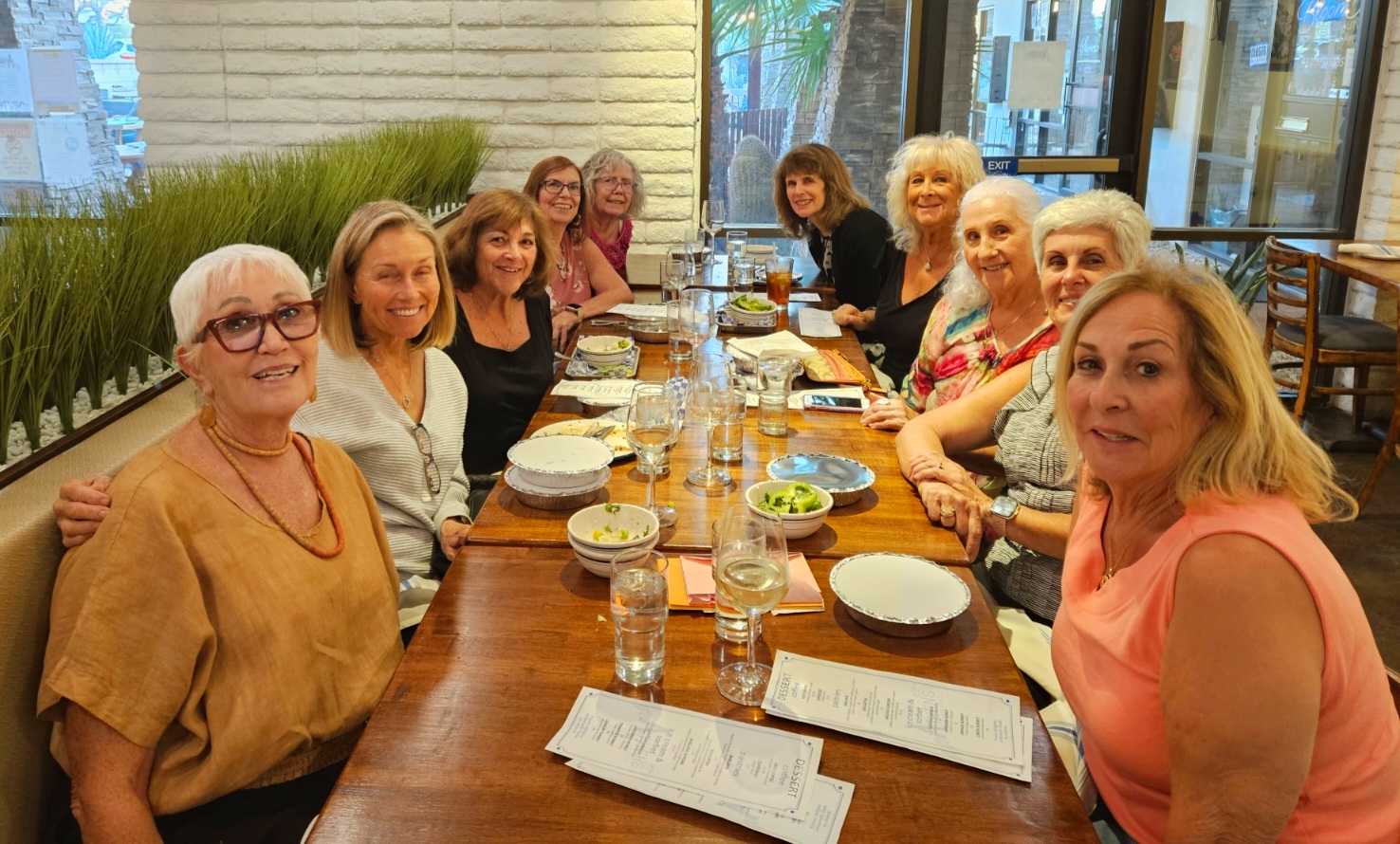
“I wanted to do something special for Rita’s 89th birthday,” Peck says. “A group of us were taking her to dinner, so I wrote a short history of her life during the Holocaust and later in Argentina, and pulled together photos she’d given me from that time. I started passing it around to friends in our mahjong and card games and asking Rita to tell them her story in person. Eventually I asked her if she wanted to tell more people. She said yes, so I asked my two hiking buddies if they’d help, and here we are.”
Brezka was born in 1935 in Tuczyn, then part of Poland and now Ukraine, a town whose Jewish community numbered about 3,000. She was the oldest of three daughters to Sam, a traveling candy salesman and Polish Army veteran, and Leja, who ran a bakery out of her mother’s home; her sister Berta was born two years later and would spend the war years at her side.
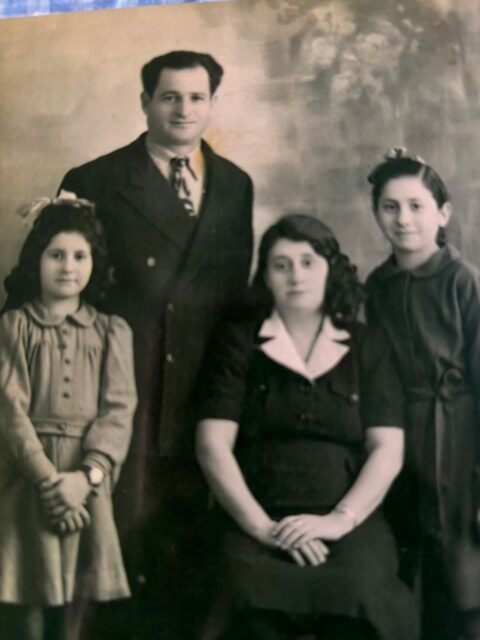
“I remember overhearing my father tell my mother and my aunts about the plan to burn the ghetto,” Brezka recalls. “He got kerosene, poured it over the bed and pillows and across the house, and lit a match. Houses in Europe had metal roofs, and when the roof got hot, it made loud pops — like shooting. When we ran, I was with my mother, and my sister was with my father. Some men had cut a hole in the fence. My mother and I crawled through it and ran for the forest. My father and sister were caught in the stampede of people fleeing the ghetto, and my sister was trampled; my father picked her up and ran. My mother always dressed my sister and me in matching dresses — my father spotted us because I was wearing a dress just like hers.”
The Tuczyn revolt — among the earliest organized Jewish ghetto uprisings of the Holocaust, according to historians — allowed roughly two-thirds of the ghetto’s 3,000 residents to reach the tree line. Half of those were recaptured within three days. For more than a year afterward, the family survived in a shelter dug into the forest floor, moving constantly to avoid German patrols.
“We ate icicles in the winter and blueberries in the summer,” Brezka says. “Sometimes we had a potato, or a loaf of bread my father earned doing odd jobs at night. One time he brought home meat — it tasted sweet, and he told us it was horse meat, cut from a dead horse. Another time he brought home a loaf of bread, but my mother wouldn’t let us eat it because it was Passover. By the time Passover ended, the bread had gone moldy. We ate it anyway.”
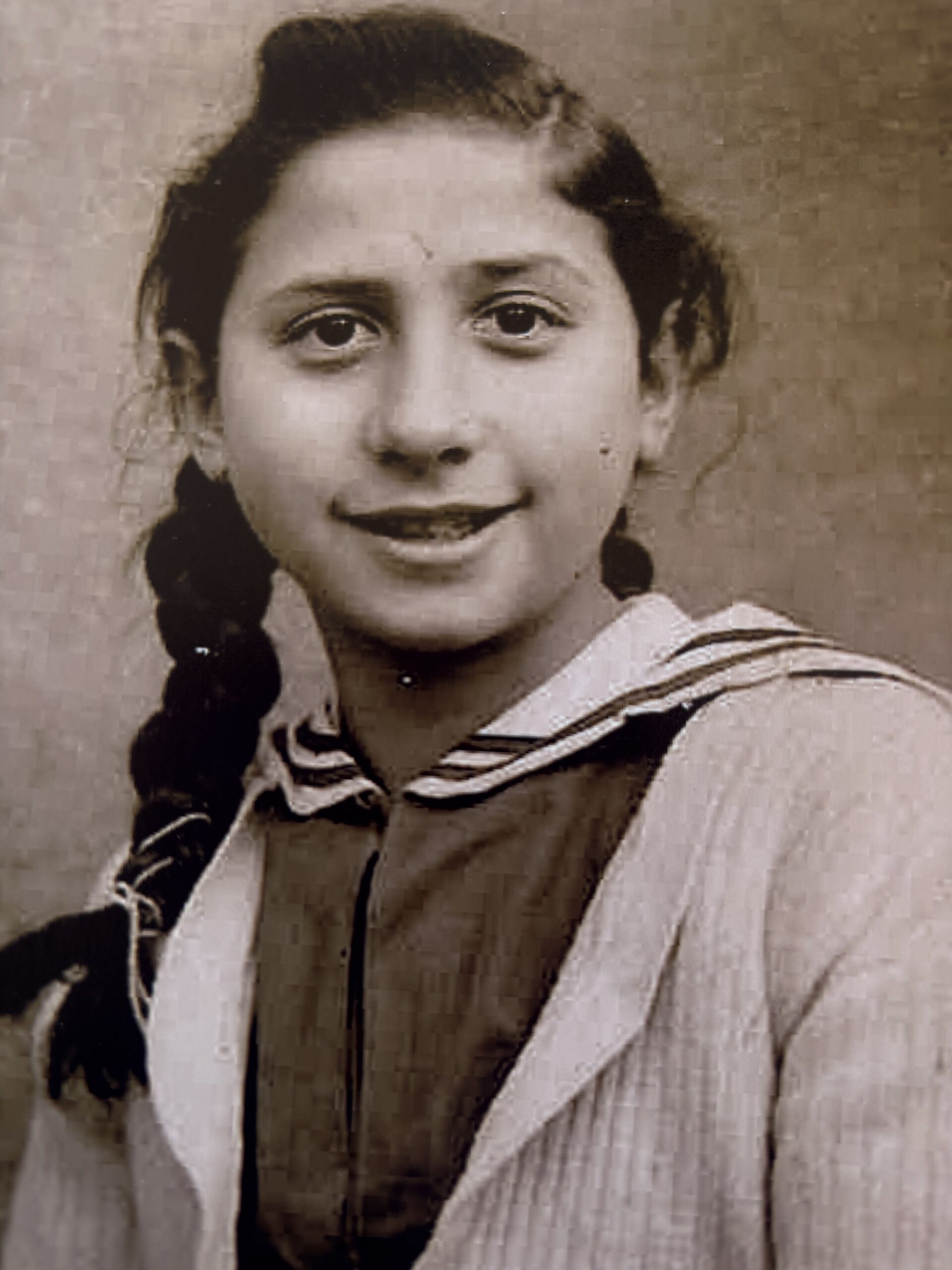
A cousin, shot and left for dead by a mobile killing unit, was found alive by Brezka’s father and carried back to join them; she survived the rest of the war at the family’s side. Of the 3,000 Jews who had lived in Tuczyn before the occupation, 20 remained in the region when it was liberated in January 1944.
The peace that followed did not bring home. There was no home left to return to. Brezka’s family spent two years in a displaced persons camp in a former jail in Cremona, Italy, where Brezka — then 10 to 12 years old — took her only classroom lessons of her life: Hebrew, in preparation for a move to what would become Israel. She also picked up Italian from friends in the camp and learned to dance.
Rita and Berta were granted passage on the ship Exodus alongside their cousin Ida and her new husband, later famous as the inspiration for Leon Uris’ novel and film Exodus. But immigration officials deemed Rita’s parents too old to make the crossing, and the family refused to be separated. Instead, a distant cousin who had read of their survival in a newspaper arranged travel documents to Paraguay, landlocked and reachable only by ship to the Brazilian port of Santos. There, representatives of the Jewish aid organization ORT met the family with different news: Paraguay’s civil war had made the plan impossible. The family spent a month in an ORT-provided hotel in Brazil before a cousin already living in Argentina helped smuggle them across the border, where they would stay until 1964.
In Argentina, Brezka went to work rather than to school, helping support her family in the years before she met Nate, a Jewish refugee from Russia, when they were both 20. They married in 1957, and their daughter, Elisabeth, was born the following year. In 1964, the family immigrated to Chicago, where a sister of Rita’s had already settled, and where their son, Glen, was born in 1965. Rita became a U.S. citizen in 1969 — and made official, at last, the name she had gone by since Argentina. Not Rebecca, the name on her birth certificate, but Rita, chosen simply because it was shorter and easier to spell. She has never sat in a classroom since those brief Hebrew lessons in Cremona; the seven languages she speaks today, she taught herself.
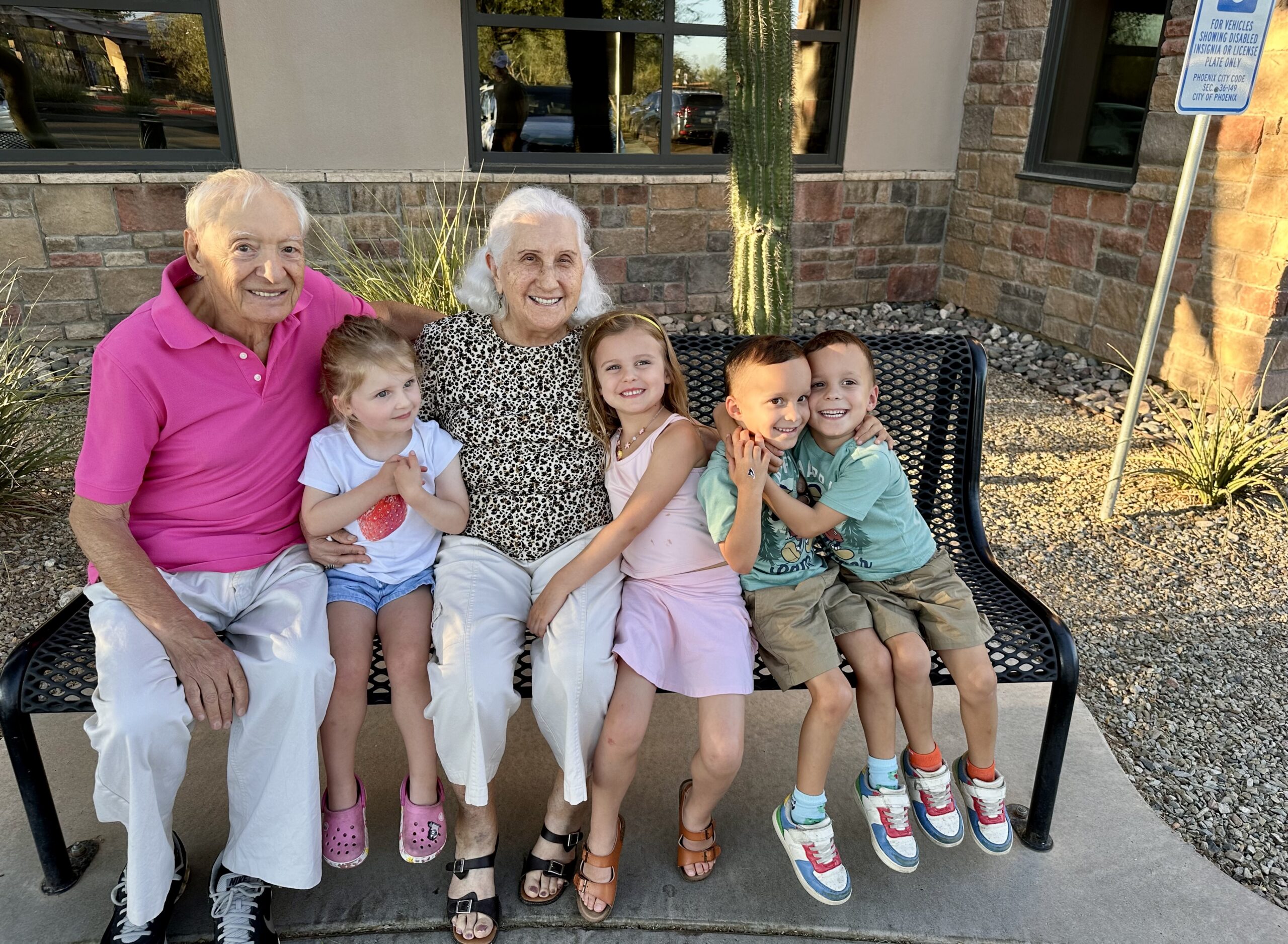
Rita and Nate raised both children in Chicago before retiring to Anthem in 2009 to be near Elisabeth, who had moved to the Valley nearly a decade earlier to become a Phoenix school principal. Glen and Rita’s two sisters still live in Chicago.
“A lot of people don’t know about the Holocaust and what the Jews went through,” Brezka says. “Kids today don’t know about it. I want to tell them it happened, and that it’s true. There were so many people killed — mothers, fathers, sisters, brothers, children. They didn’t do anything wrong. It was just because they were Jewish. I don’t want anyone to go through that again. Today we are still not at peace — Ukraine and Russia, Israel and Palestine. We are still not at peace. I just want peace for everyone. I want teachers to tell their students that it happened.”
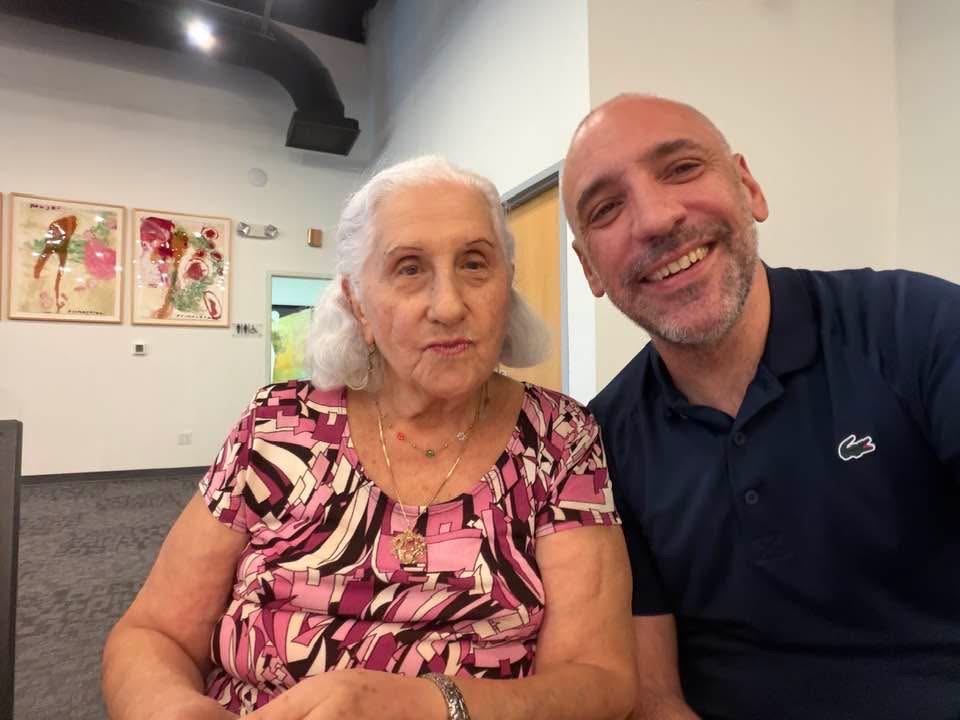
It is the question at the center of Oct. 12′s presentation, the one her moderator plans to ask her before anything else. For a woman who spent a childhood surviving in silence — in trenches, in forests, on forged papers, under borrowed roofs — choosing to speak now, plainly and often, is its own kind of peace.
Photography Courtesy of Rita Chait Brezka