In the early 1990s, a farmer’s tractor rolled over a den of newborn coyote pups outside Phoenix, leaving a single survivor small enough to fit in two hands. The farmer had nowhere to turn — no local veterinarian treated orphaned wildlife — until fate delivered the pup to Linda Searles, a woman who would name him Don and, within a few years, turn her own backyard into a wildlife rehabilitation sanctuary.
More than three decades later, that sanctuary is Southwest Wildlife Conservation Center, and Don Coyote’s legacy will fill a ballroom in downtown Scottsdale on Oct. 30, when the nonprofit hosts just the second Stewards of the Wild Gala in its history.
The evening unfolds in three acts: cocktails and a silent auction at 5:30 p.m., dinner and a live auction at 6:30 p.m., dessert and dancing at 8. Guests are asked to dress in Western elegance — a nod to the sanctuary’s roots on 10 acres of high Sonoran Desert northeast of the city, now grown into a licensed facility that treats injured, orphaned and displaced native mammals, from bobcats to black bears.
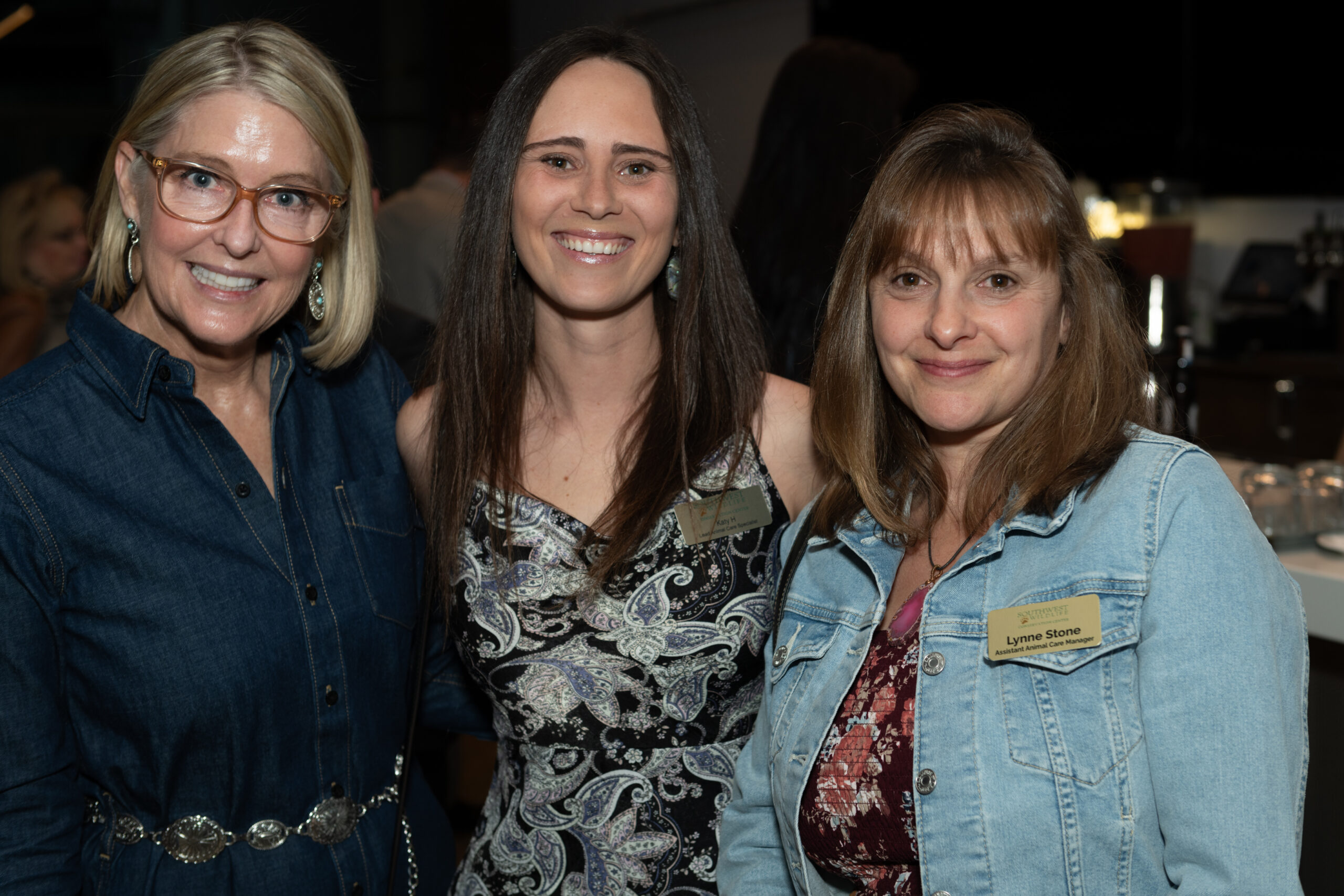
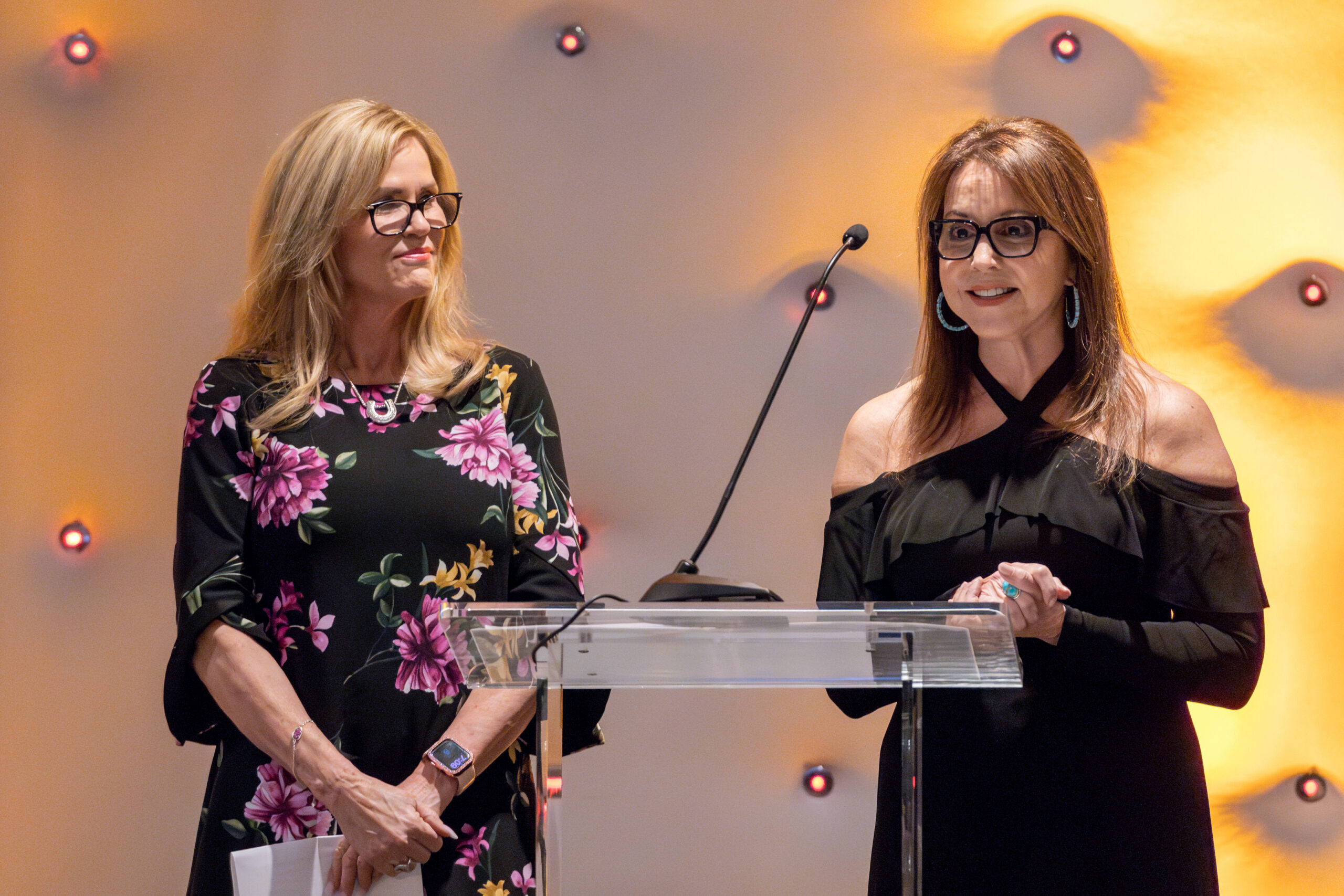
Pam Wugalter, vice chair of Southwest Wildlife’s board of directors and co-chair of this year’s gala, has been closely involved in shaping the evening.
“From the artwork and live auction items to the overall experience, every detail is designed to create an enjoyable evening for animal lovers and make them feel connected to and appreciated for the impact they have on wildlife,” she says. “What makes this evening so meaningful is that the impact doesn’t end when the gala does. The funds raised in just one evening help sustain the sanctuary and our critical work for so much longer than a single day — supporting the animals in our care and allowing us to continue rescuing, rehabilitating and releasing wildlife back to the wild.”
Southwest Wildlife also holds a rare distinction as one of Arizona’s few facilities entrusted to house captive Mexican gray wolves, an endangered species. The sanctuary participates in the Association of Zoos and Aquariums’ Saving Animals from Extinction program, with monitoring and care conducted in partnership with the U.S. Fish and Wildlife Service. The center doesn’t buy, breed, sell or trade any of its residents. When rehabilitation succeeds, animals go back to the wild; when it can’t, Southwest Wildlife becomes home for good.
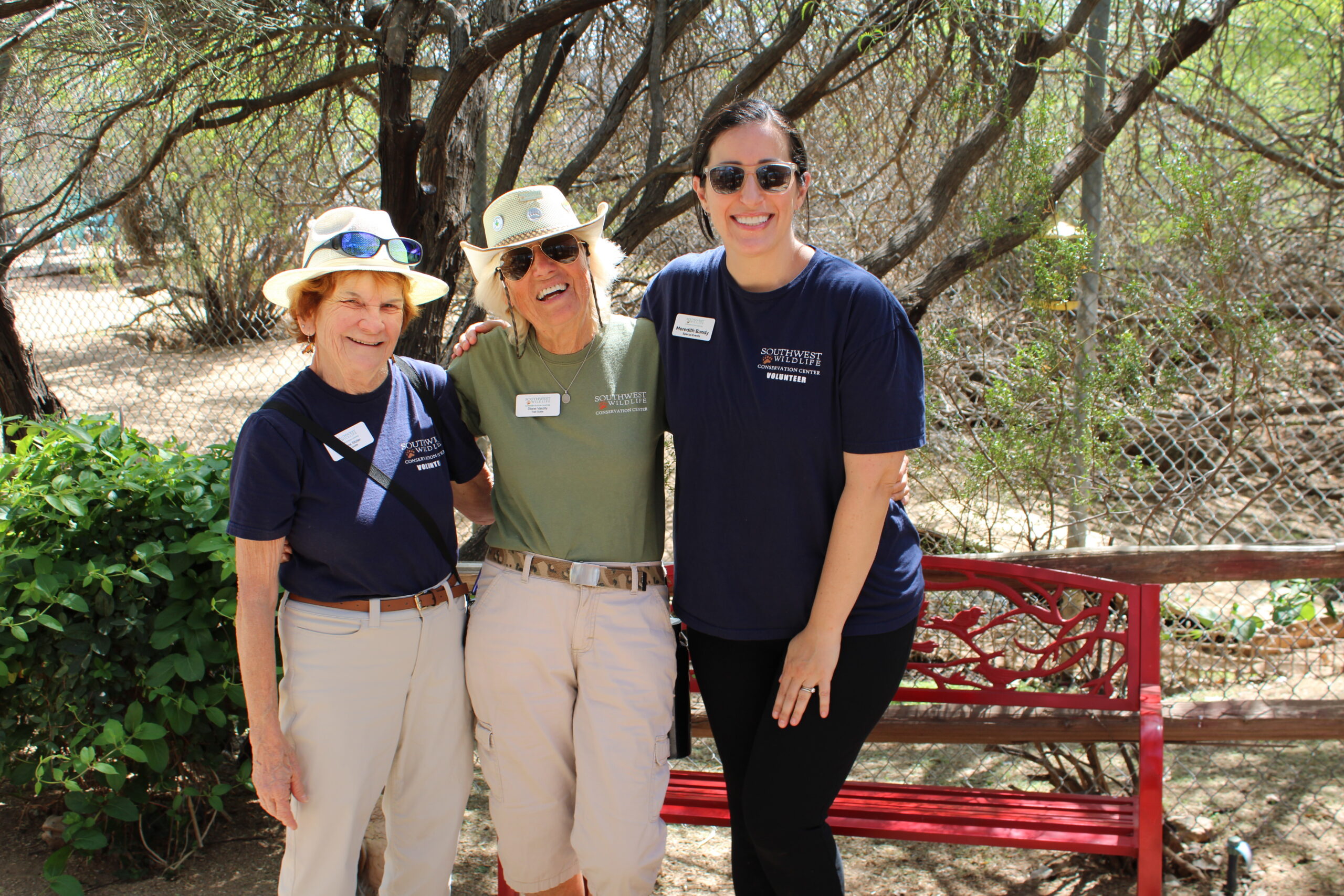
None of that work happens without support like this. Ticket sales, table sponsorships and the night’s live auction help fund the sanctuary’s veterinary hospital, its 24-hour rescue hotline and the daily cost of caring for animals that can never be released — costs that arrive without a dollar of state or federal funding.
Sponsorship packages for this year’s gala start at $3,500 and climb to $30,000 for presenting-level recognition; general admission is $350.
“Community support is more important than ever because, as people and wildlife increasingly share the same spaces, our services are needed more and more each year,” Wugalter says. “The need is growing, and we want to make sure we’re able to meet that demand, not only by caring for wildlife but by being a resource for the people who encounter it. Events like the gala are an important part of increasing awareness and making sure more people know that Southwest Wildlife is here when they need us.”
It is, in the end, still Don Coyote’s story — one orphaned animal that outgrew a farmer’s field and became the reason a sanctuary exists at all. Every place set at Clayton House this fall carries a piece of that same math forward: one animal, one rescue, one more chance at the wild.
Photography Courtesy of Southwest Wildlife Conservation Center