The billboards start showing up a hundred miles out, long before Cochise County itself comes into view — faded paint promising mystery, alien remains, the wickedest town in the West. By the time a driver actually arrives, the promises have mostly held up. Bisbee, Tombstone and Dragoon sit within an hour of each other in Arizona’s southeastern corner, three towns built on mining booms and gunfights and one very persistent roadside oddity, and each one has spent more than a century getting the story just a little bit taller in the retelling.
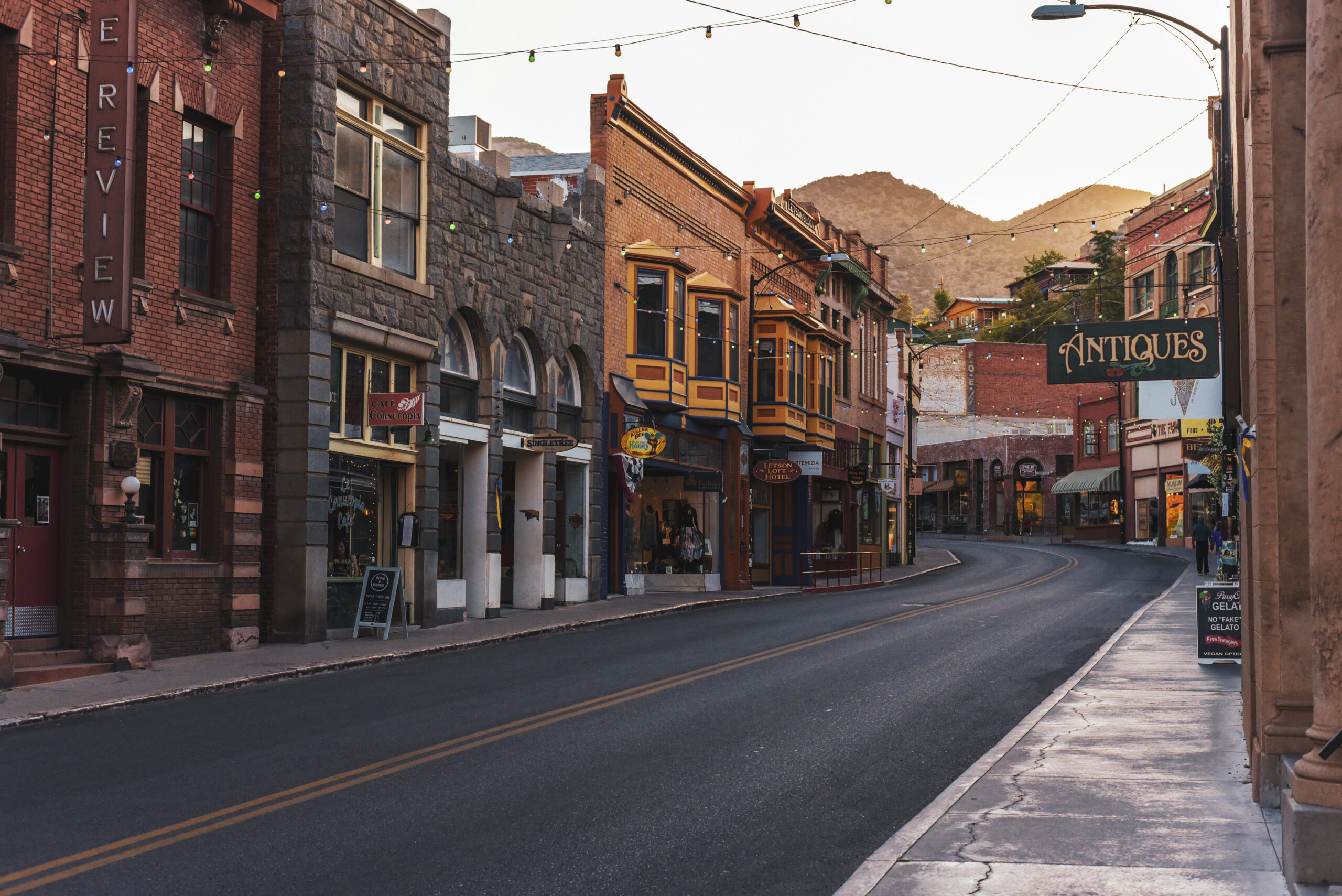
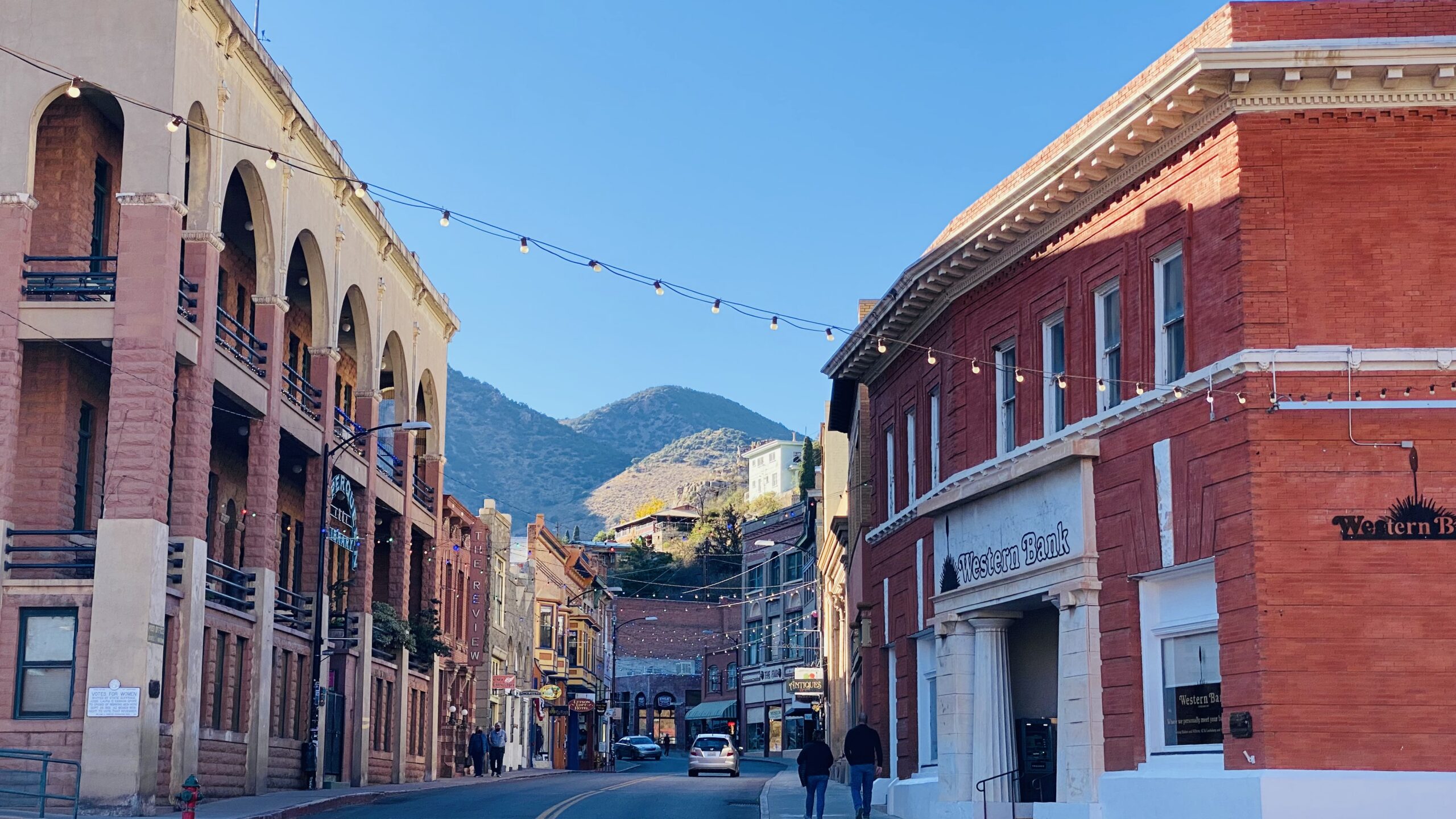
Bisbee climbs the walls of the Mule Mountains instead of spreading across them, a legacy of its mining-boom days when there was no room left to build outward. That vertical layout is why the Bisbee 1000 exists at all: the race’s nine staircases were built by the Works Progress Administration during the Depression, put up specifically to give out-of-work miners something to do, and runners still start at the foot of the Iron Man, a 9-foot, copper-plated concrete miner erected in the same era. The 2024 running marked the 33rd year of the event, held every October since 1990 and drawing entrants from around the world for a 4.5-mile course through Old Bisbee’s staircases and switchbacks. The Smithsonian-affiliated Bisbee Mining & Historical Museum and the underground Queen Mine Tour fill out a day; the weekly farmers market and monthly art walk fill out a weekend.
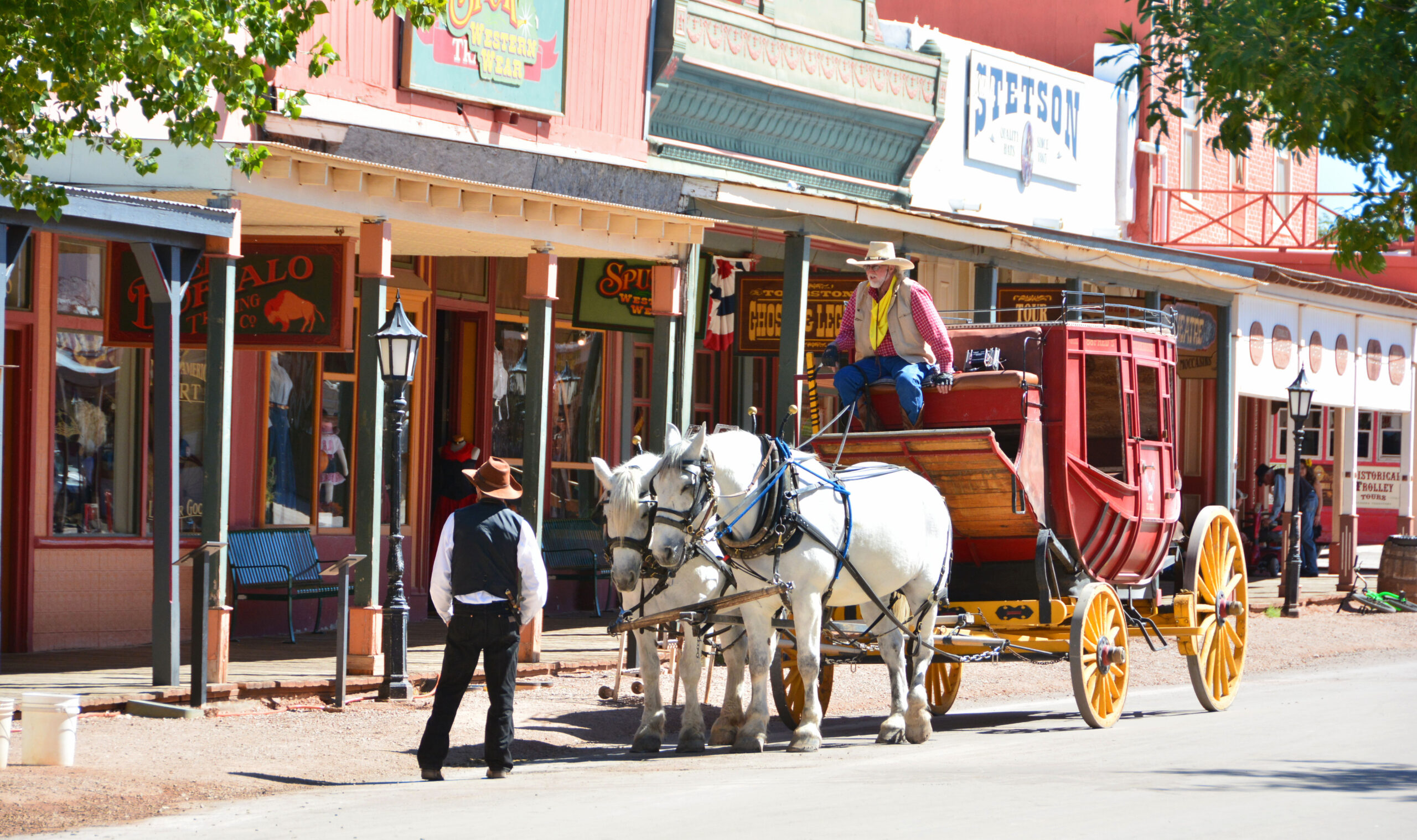
Thirty minutes northeast, Tombstone has spent 145 years living up to its nickname, the Town Too Tough to Die. The 1881 shootout at the O.K. Corral is reenacted daily on Allen Street, but the better story might be underground: the Bird Cage Theatre, a former saloon and brothel, kept a single poker game running continuously in its basement from 1881 to 1889 — eight and a half years, a $1,000 buy-in worth roughly $27,000 today, with Wyatt Earp, Doc Holliday and mining magnate George Hearst among the players who sat down. Helldorado Days, the town’s oldest festival, has marked Tombstone’s founding anniversary every October since 1929, filling Allen Street with parades and gunfight reenactments. Boot Hill Graveyard’s tongue-in-cheek epitaphs round out an afternoon.
East along I-10, Dragoon is barely a town at all — an unincorporated stretch of desert best known for the hundreds of billboards advertising The Thing?, a roadside museum built around a mummified mystery that’s been drawing curious drivers off the highway since 1965. The attraction underwent a major renovation in July 2026, adding life-sized alien and dinosaur exhibits without touching the original centerpiece, which still gets the same big reveal at the end of the walk-through it always has. History buffs willing to look past the aliens can visit the grave of outlaw Johnny Ringo nearby, whose death remains almost as disputed as anything on display at The Thing.
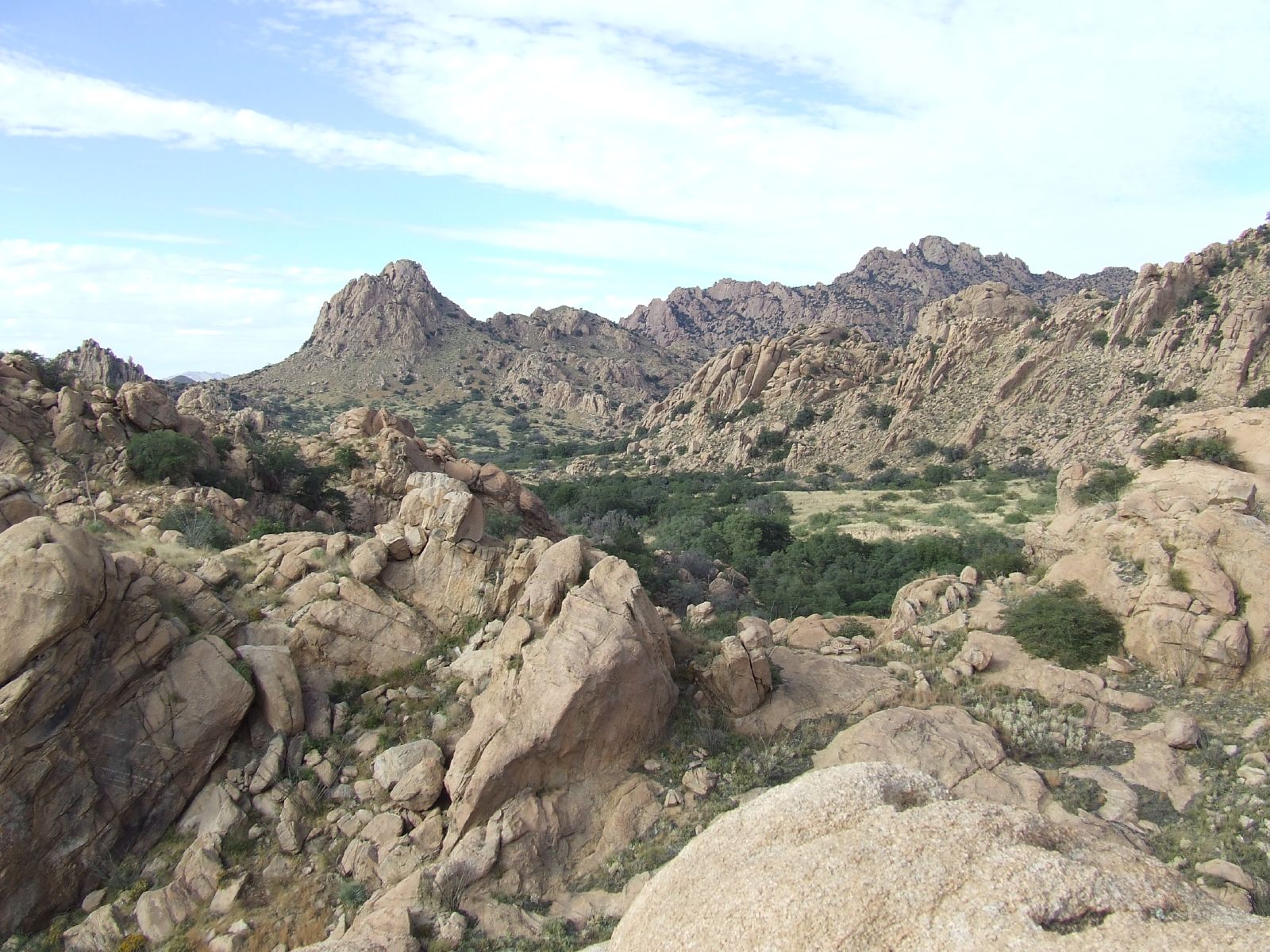
Three towns, one highway corridor, and a shared talent for turning uncertain facts into a good story — Bisbee’s staircases, Tombstone’s ghosts, Dragoon’s aliens. None of it is entirely verifiable. All of it is worth the detour.
Lead image: Bisbee, photo by Eric Jewett.