The corn shouldn’t be there. Neither should the cattle skull the size of a garage door, or the hummingbird found almost nowhere else in the country outside a few miles of creek. And yet there they are, scattered along a single corridor of highway south of Tucson, proof that the Santa Cruz Valley has spent decades quietly stealing scenes from bigger productions.
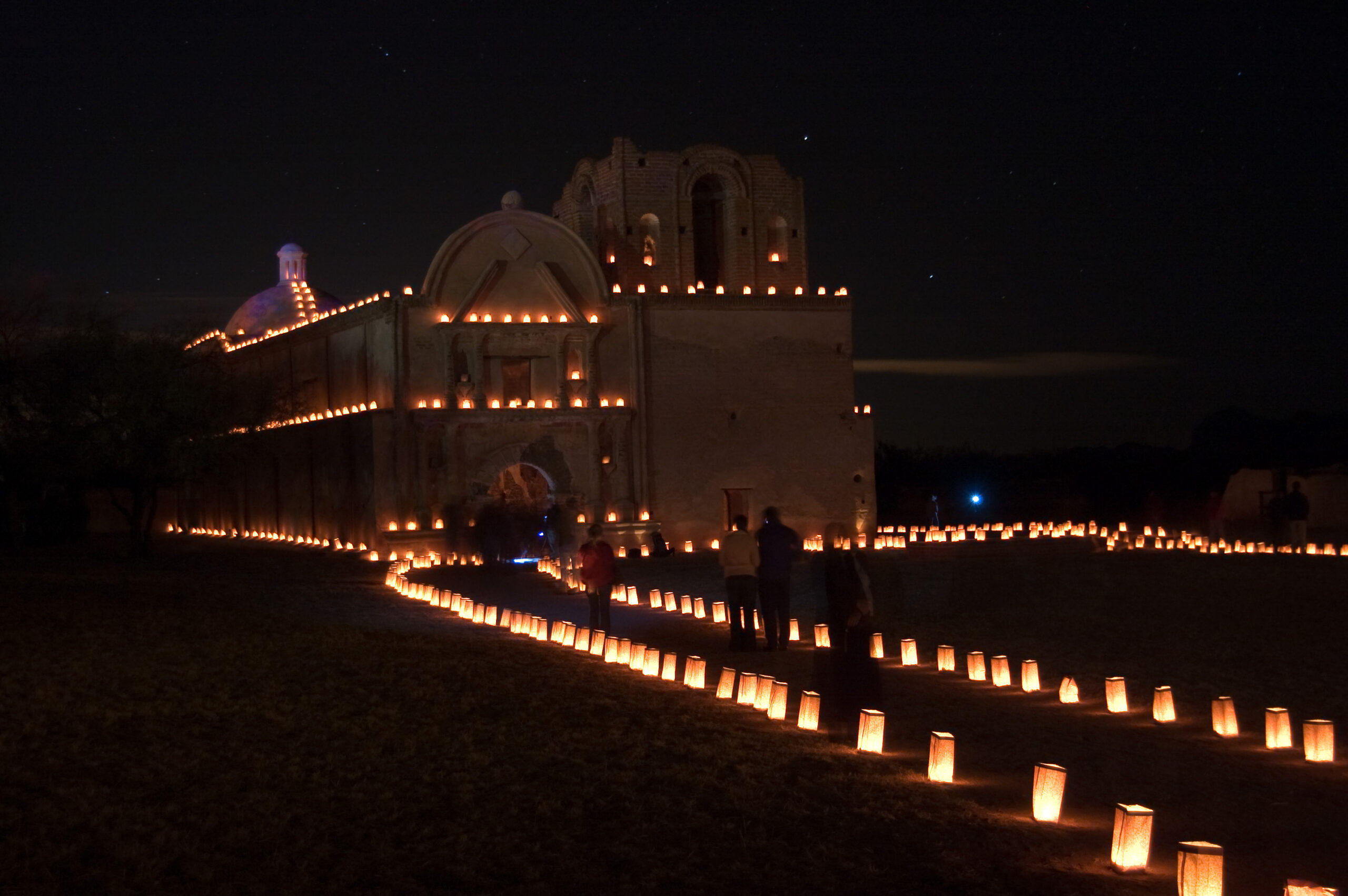
Tubac has the strongest claim to the spotlight. Arizona’s oldest European settlement, founded as a Spanish presidio in 1752, has spent since 1959 hosting the longest-running art festival in Southern Arizona — ranked number one in the state. More than 125 galleries and studios line streets built for foot traffic centuries before anyone thought to close them to cars, and the town’s adobe ruins and 1885 schoolhouse at the Tubac Presidio give the art scene a genuine historical backdrop rather than a manufactured one. The annual Christmas luminaria walk lights 2,000 candles along those same adobe walls, and the Juan Bautista de Anza National Historic Trail gives hikers a reason to visit even outside festival season.
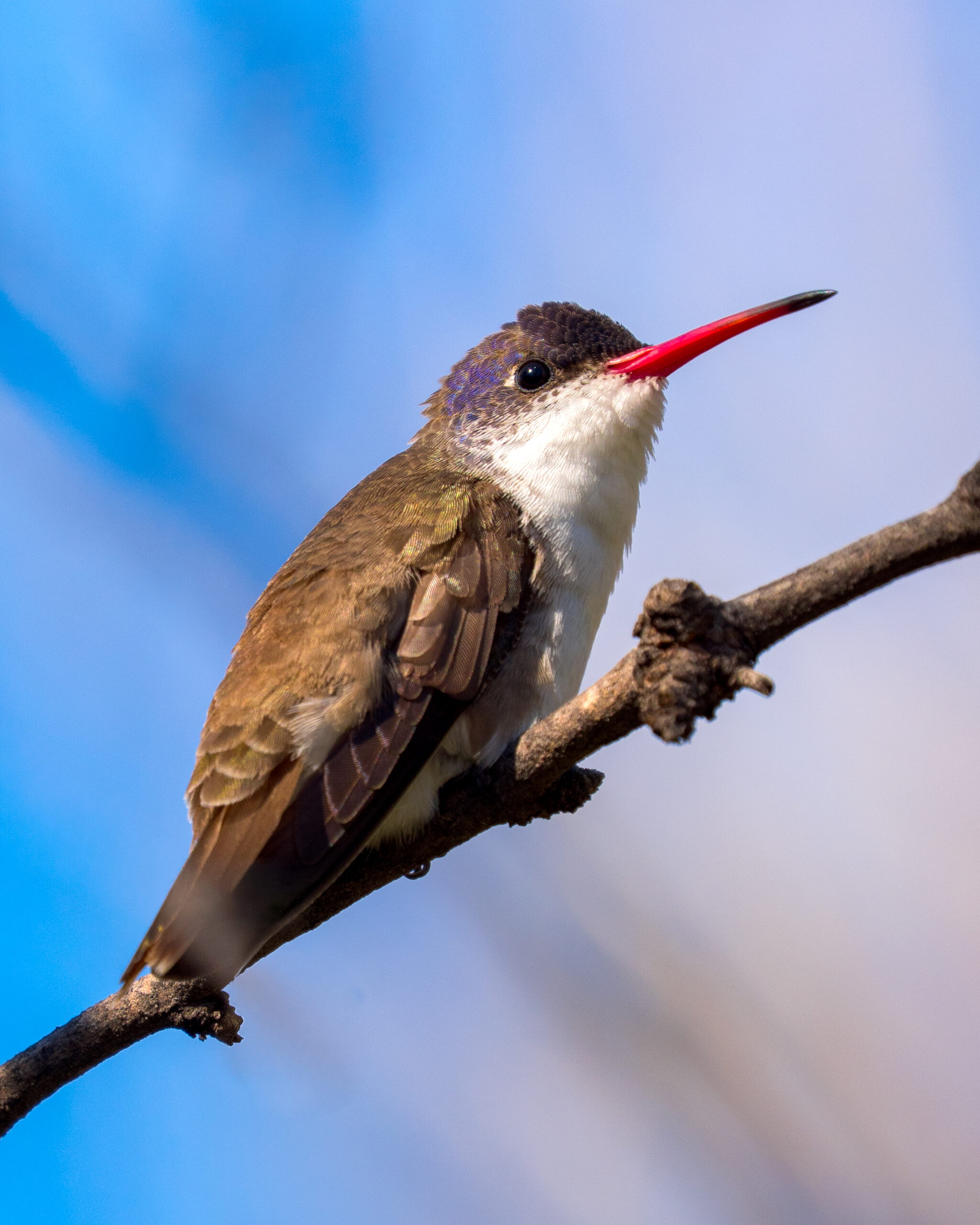
Twenty-some miles southeast, Patagonia draws a different kind of crowd — the kind that shows up before sunrise with binoculars. The Paton Center for Hummingbirds is one of the only reliable places in the country to see the violet-crowned hummingbird, and a new mile-long trail, built entirely by volunteers, now connects the center directly to the Nature Conservancy’s adjoining preserve. More than 300 bird species have been recorded along Sonoita Creek, enough to earn the whole area status as a designated Important Bird Area, and the town leans into its dark skies as much as its bird life, with a September butterfly festival and a 52-mile cycling loop rounding out the calendar for visitors who show up without binoculars at all.
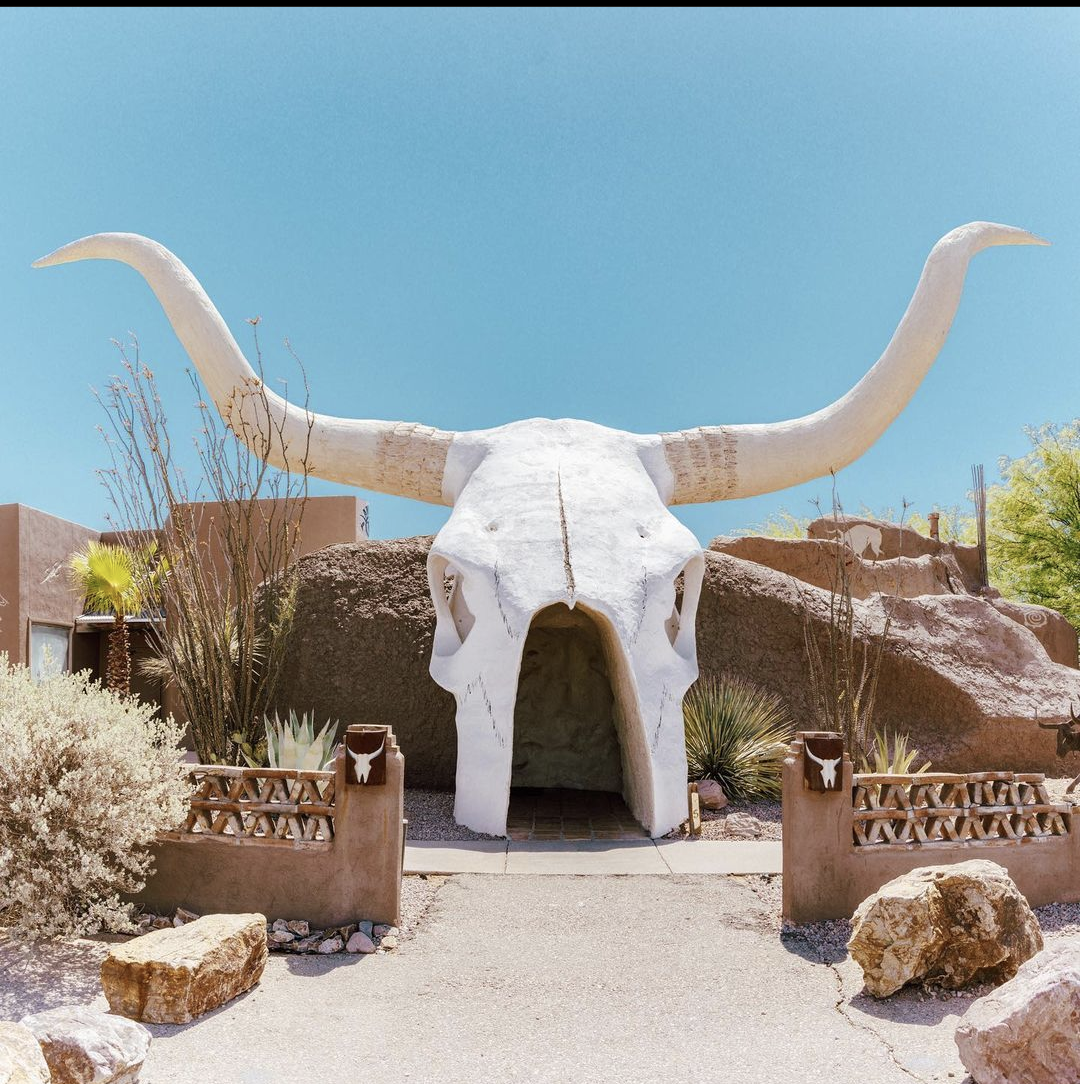
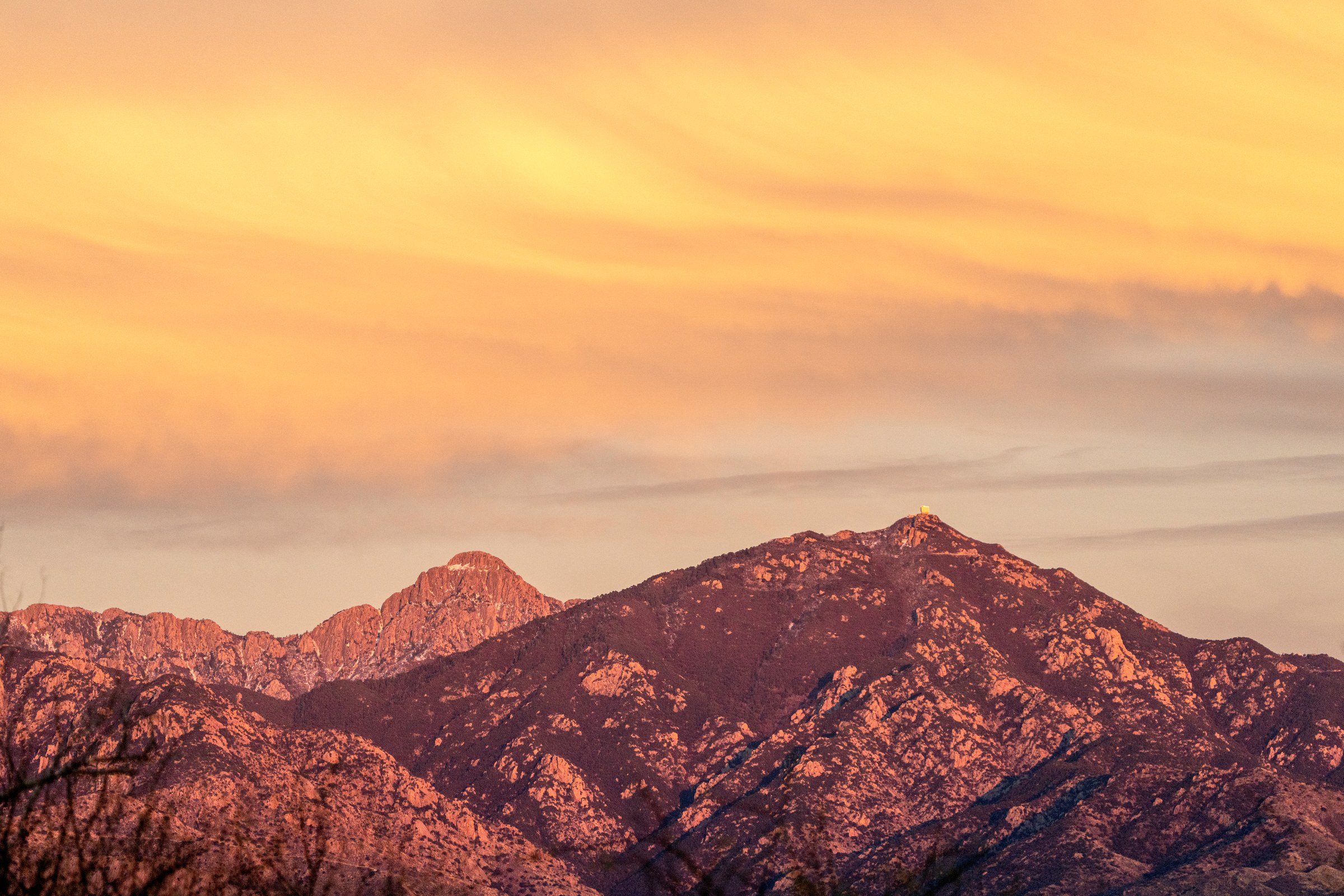
Amado, the smallest and least self-conscious of the three, has nonetheless ended up on film more than once. Martin Scorsese shot a scene of Alice Doesn’t Live Here Anymore at the entrance to the Longhorn Grill in 1974, the same year Ellen Burstyn won an Oscar for the role; two decades earlier, Gordon MacRae rode through corn planted specifically for the shot to sing the opening number of Oklahoma! The Longhorn’s 30-foot skull entrance, built by Tucson artist Michael Kautza in the early 1970s, remains the town’s one unmissable landmark — a prop that outlasted the productions it appeared in. The surrounding Santa Rita Mountains and spring-fed canyons make Amado a quieter birding stop than Patagonia, but no less serious about it, and the diverse terrain packed into such a small footprint explains why Hollywood found it more than once.
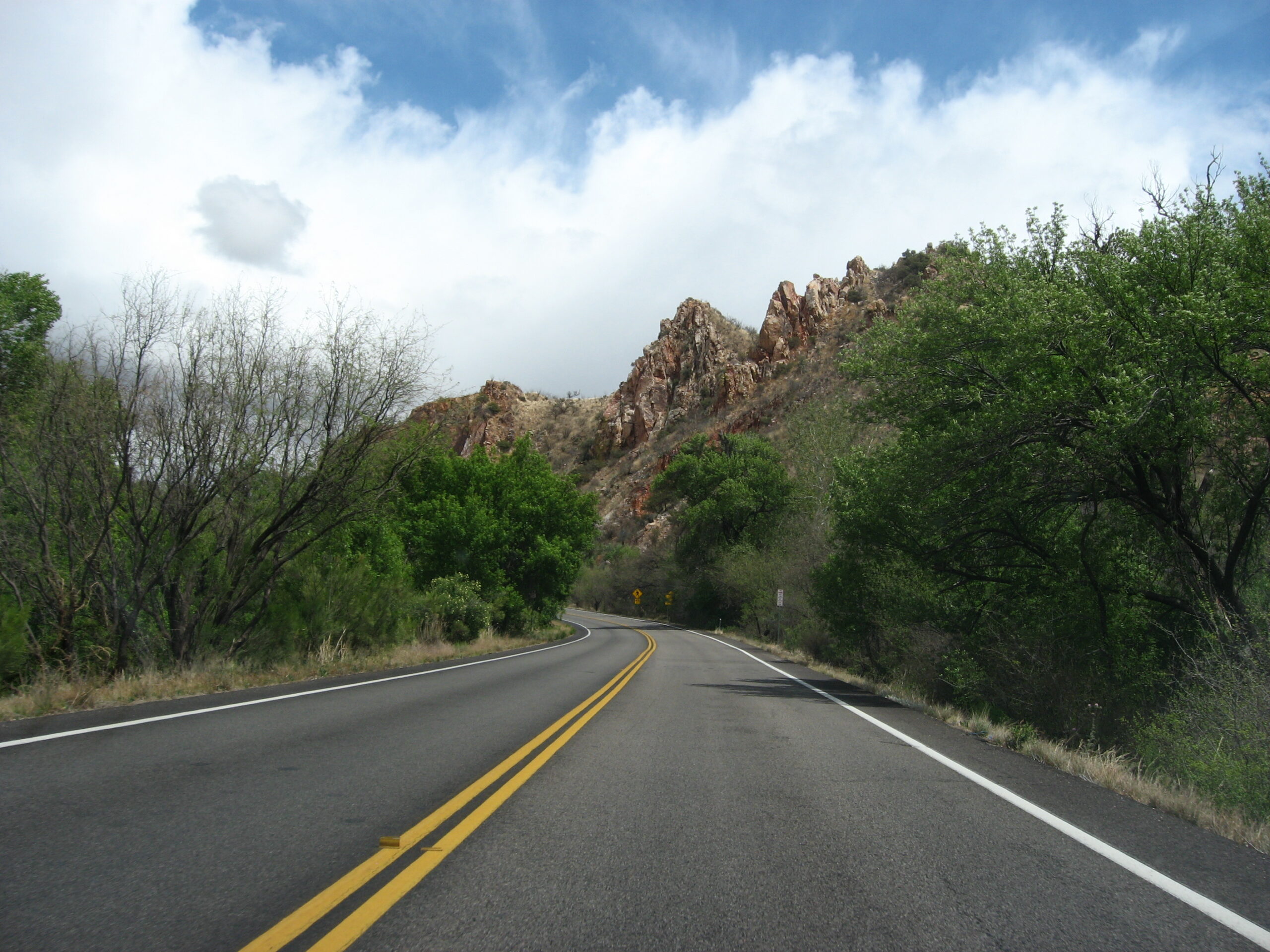
None of these three towns would call itself a tourist destination, exactly. But between the art, the birds and the borrowed Hollywood glamour, the Santa Cruz Valley has quietly built one of the more interesting hours of driving in the state, best done slowly, with the windows down and no particular schedule to keep.
Photography Courtesy of Tim Melideo, Ken Bosma, Mick Thompson, Lorie Shaull and Ken Lund